
October 13.10.2026. Paul Robinson. The International Ulster Trophy Races 1937-1947.
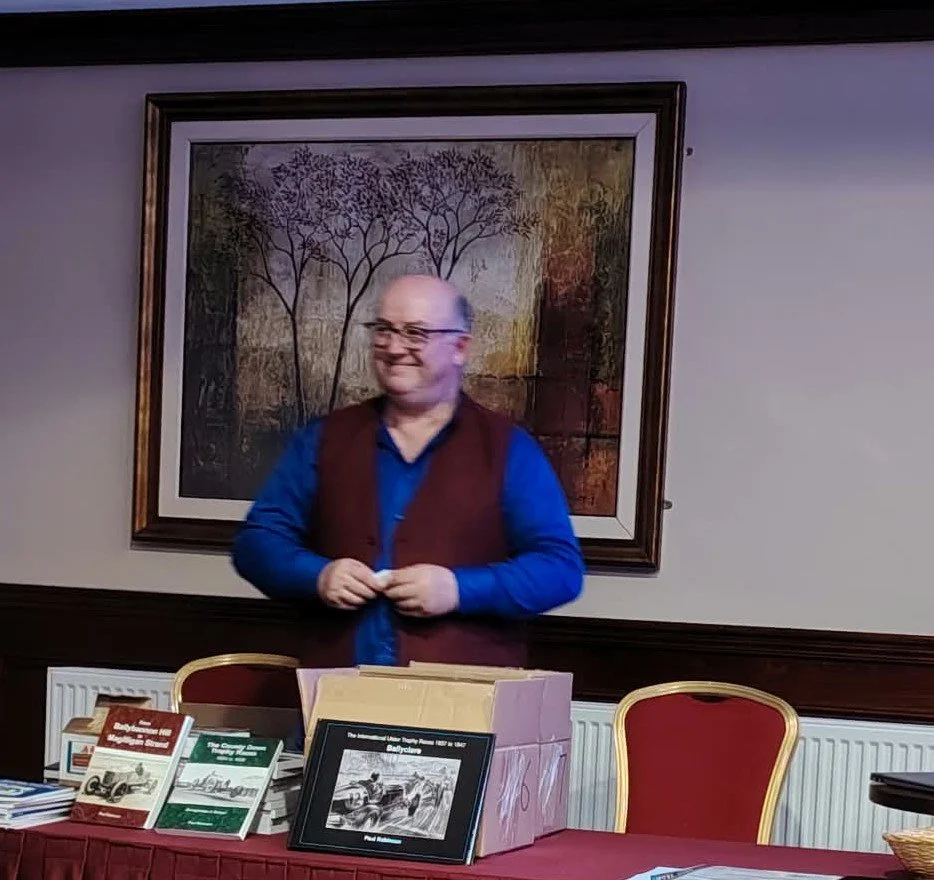
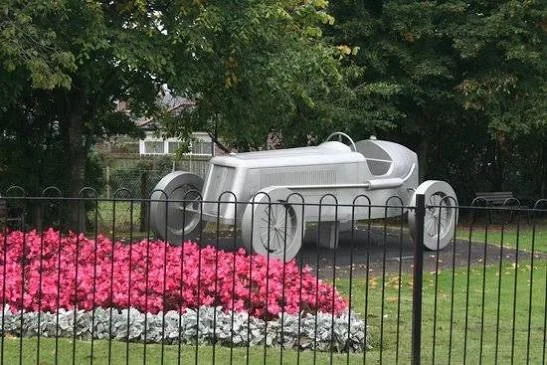
How many times have you driven through the crossroads at Ballyrobert and wondered why there is a sculpture of an old racing car in a garden. We were pleased and privileged to have Paul Robinson spend some time with us to explain how the village of Ballyrobert became an important link in the history of motor racing.
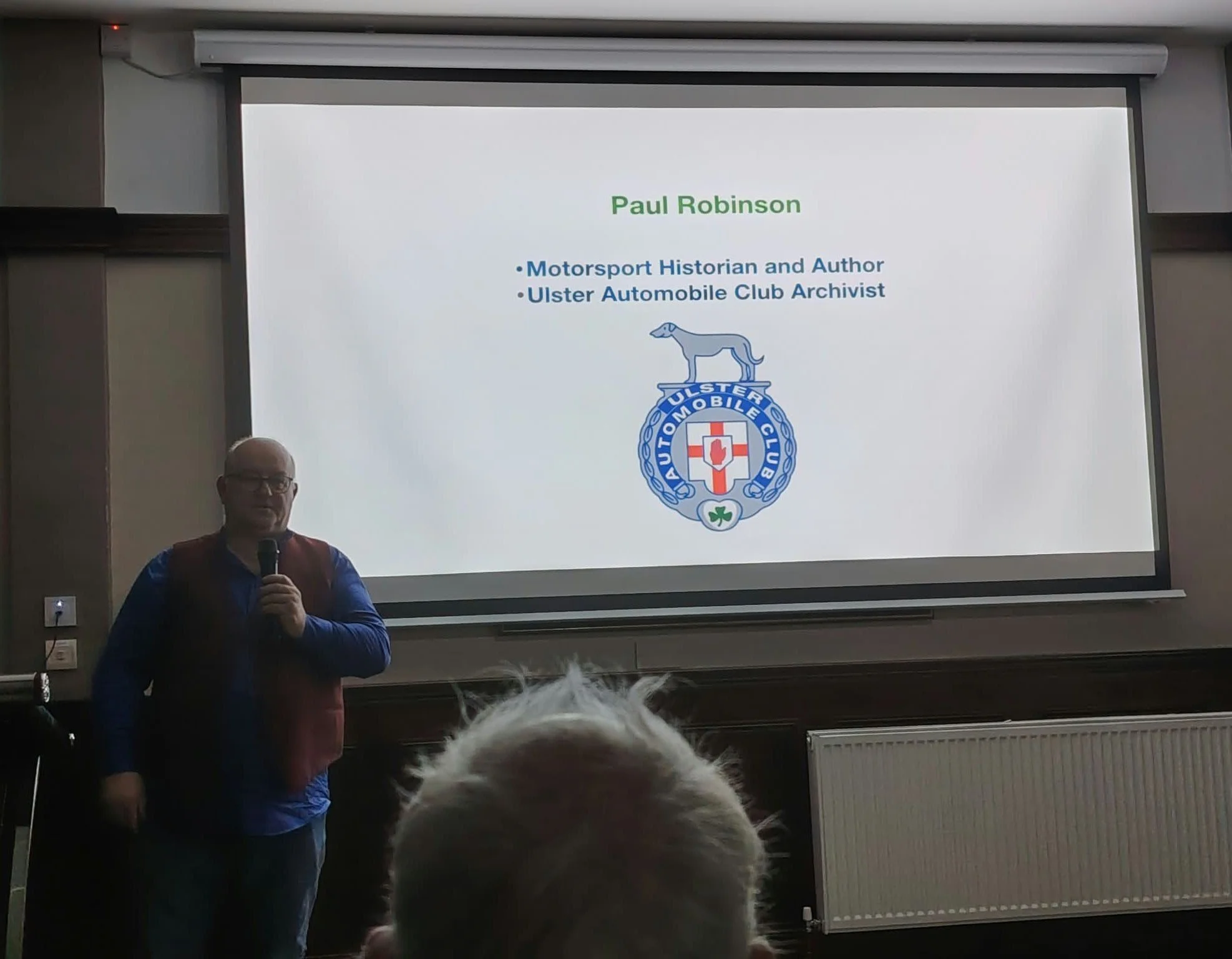
Paul’s books are about motor sport in Northern Ireland in the first half of the 20th century. The early 1900s was a time of enormous wealth, especially around Belfast, and the emergence of the motor car as both a means of transport and for use in competition, for example reliability trials, hill climbs and road races.
In 1922 Northern Ireland became the only part of the United Kingdom where roads could be closed for motorsport. In 1925 the Ulster Automobile Club was formed to promote motorsport. His books focus on events not previously published and include the Edwardian Cultra Hill Climbs, sand racing at Magilligan Strand and the road races at Donaghadee and Bangor. His latest book, “The International Ulster Trophy 1937-1947,” was on sale and great news that he sold all the copies that he had with him. He is a member of the Society of Automobile Historians in Britain.
Paul tells the fascinating story of how the Ballyrobert race was the race which evolved into what today is Formula One. Names like Reg Parnell and Prince Birabongs of Siam, better known as Prince Bira, and the cars with historic names like ERA (English Racing Automobiles) and Maserati all burned rubber around the 4-mile public road.
Paul spoke and had no problem holding attention. Almost eighty petrolheads were fascinated with the stories and the attention to detail that Paul used to captivate his audience for just over one hour.
The small village of Ballyrobert holds a monumental but often overlooked place in motorsport history as the site of the first international road race held in the UK after the Second World War. The Ballyrobert Road Circuit was a fast and challenging course measuring 4 miles and 250 yards. It ran along a triangular public road system, starting on the Longshot Road, racing down to Lindsay's Corner, turning right towards Ballyclare and taking another right onto the Ballyrobert road (which became known as 'Ballyclare Corner') before rocketing straight through Ballyrobert village. While the circuit briefly hosted the race in 1937, its most defining moment arrived on Saturday, 10 August 1946, when it hosted the historic postwar International Ulster Trophy Race.
The Historic 1946 event was a 50-mile12-lap race restricted to cars not exceeding 1500cc. It attracted massive crowds eager to witness the return of high-speed international motorsport. The race featured a highly competitive field, led by legendary figures who would later help pioneer the inaugural Formula 1 World Championship in 1950. The event concluded in a spectacular, nail-biting finish:
The Winner: Prince Birabongs of Siam (now Thailand), famously known as "Prince Bira," took victory driving his ERA (English Racing Automobile).
The Runner-Up: British racing legend Reg Parnell finished a mere three seconds behind Bira in a Maserati.
The Pace: The cars averaged exhilarating speeds of 55–60 mph on narrow unaltered countryside lanes.
The circuit was used one final time for the Ulster Trophy in 1947 before the event permanently relocated to the famous Dundrod circuit in 1948. Because it hosted these early elite international gatherings of drivers and manufacturers right after the war, Ballyrobert is frequently celebrated by enthusiasts as a vital precursor to modern Formula 1.
Ballyrobert’s racing heritage is preserved through a full-size replica sculpture of Prince Bira’s winning ERA car which was unveiled in the village centre in May 2014. The roads themselves have also been used for local cycling time trials by the Kings Moss Cycling Club over the years.
Another little known fact that is worth mentioning, adding to its tarmac-based legacy, the village is also famous for a very different type of road competition: Irish Road Bowling (locally referred to as "road ball"). In this traditional sport, competitors attempt to hurl a heavy iron ball along a determined road course in the fewest throws possible, keeping the village’s competitive relationship with its local roads alive to this day.
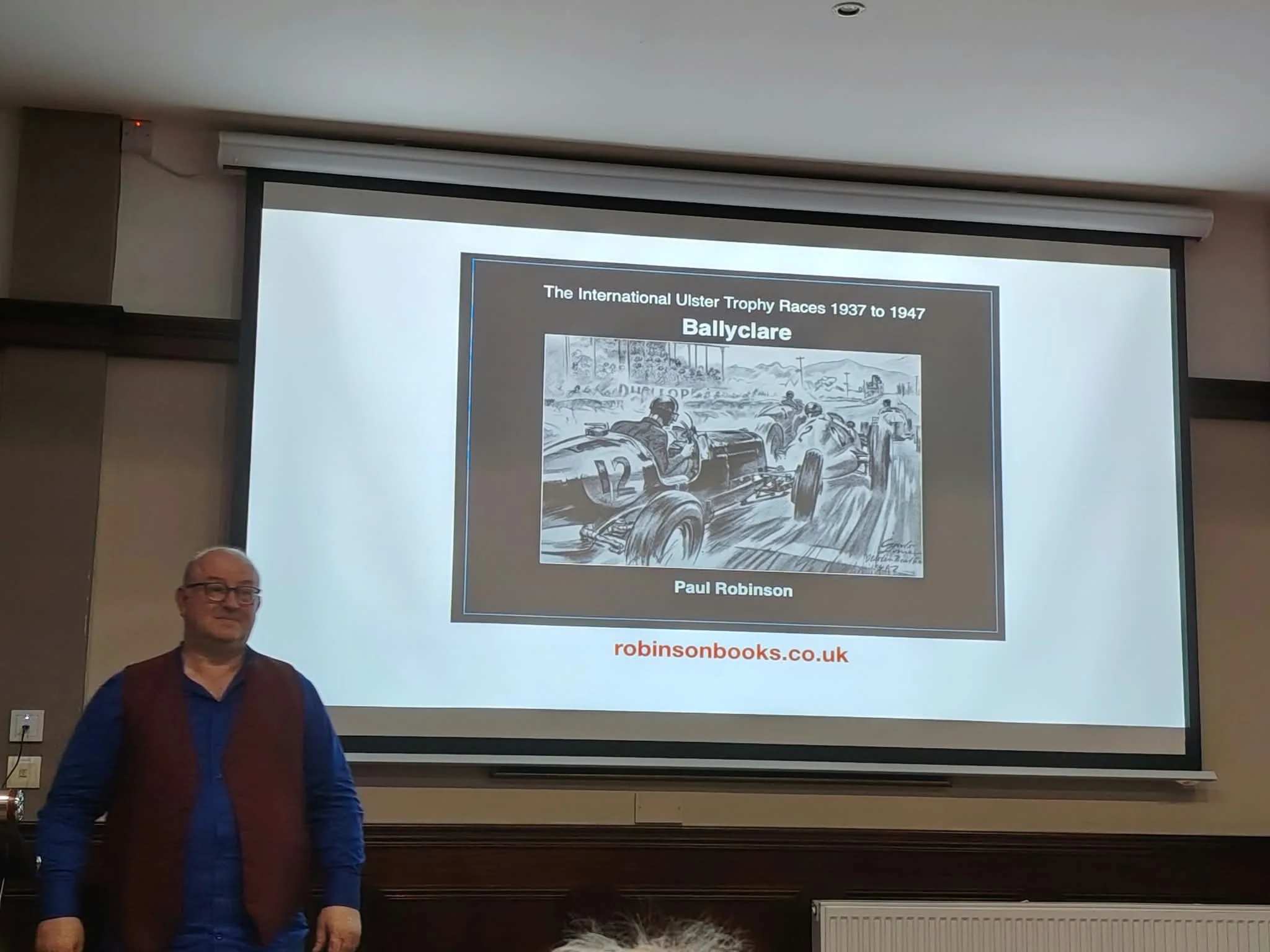
Paul’s latest book
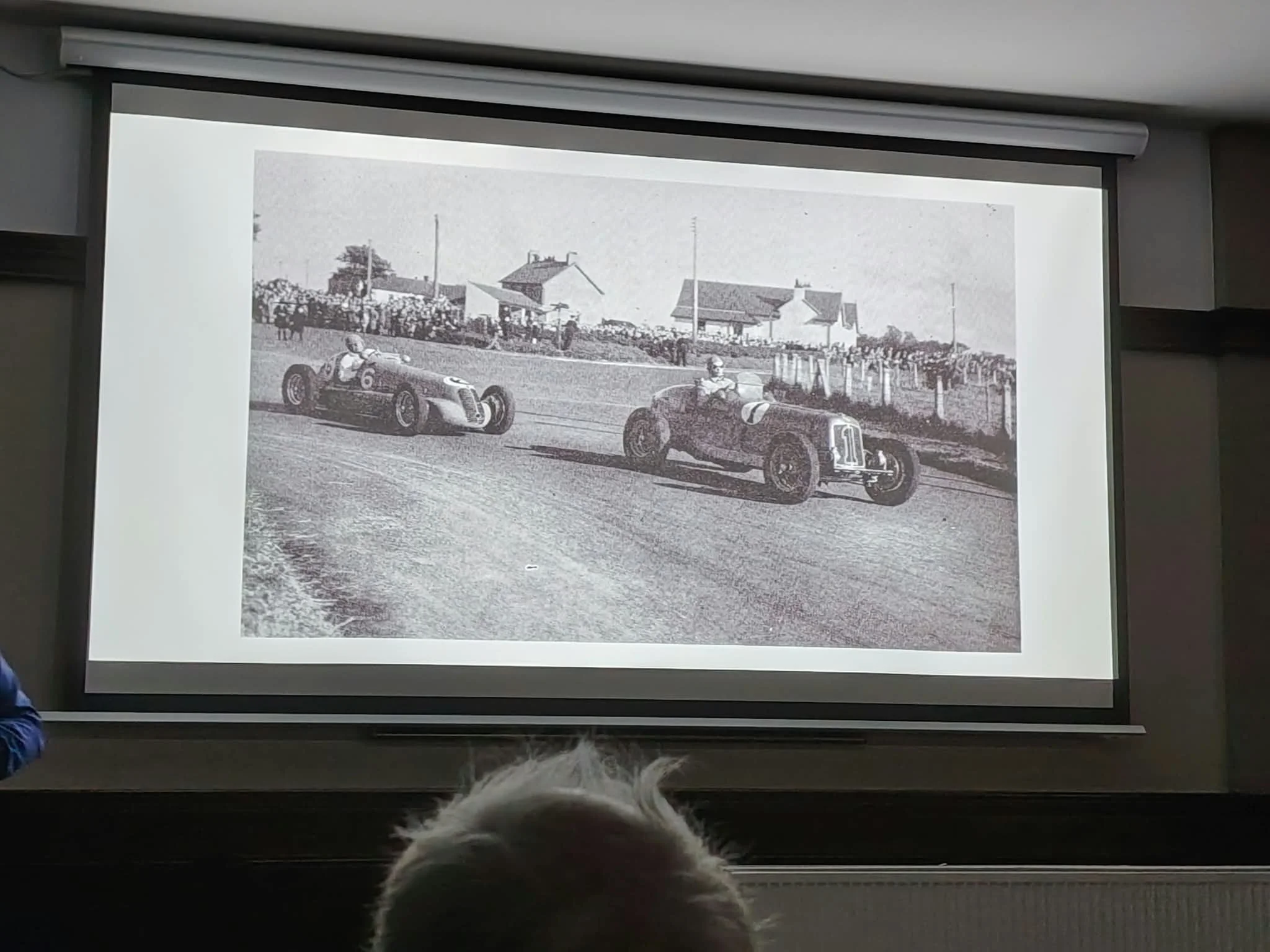
Bira in the lead with Reg Parnell just behind at the last bend before the finish.
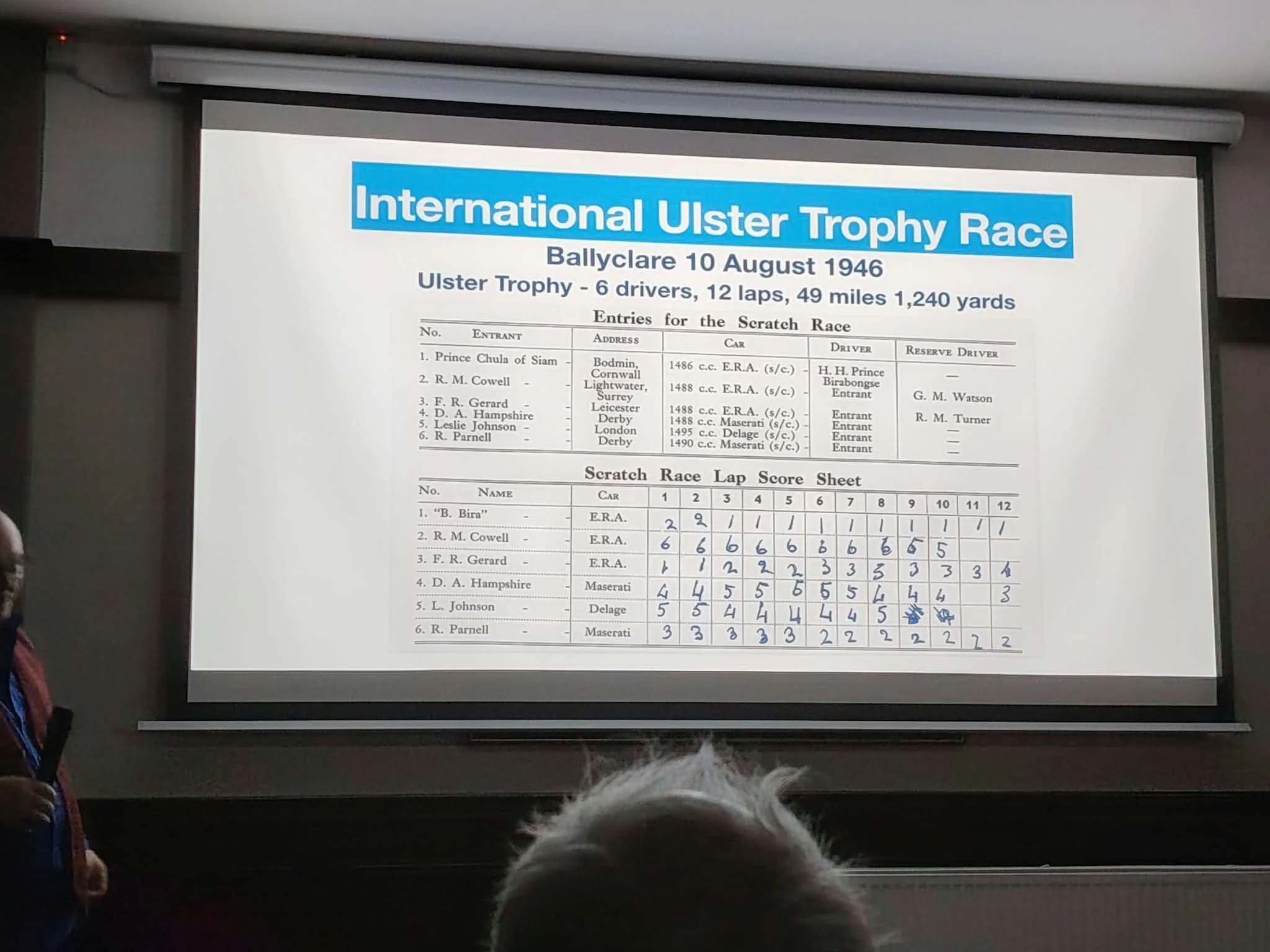
Race winners
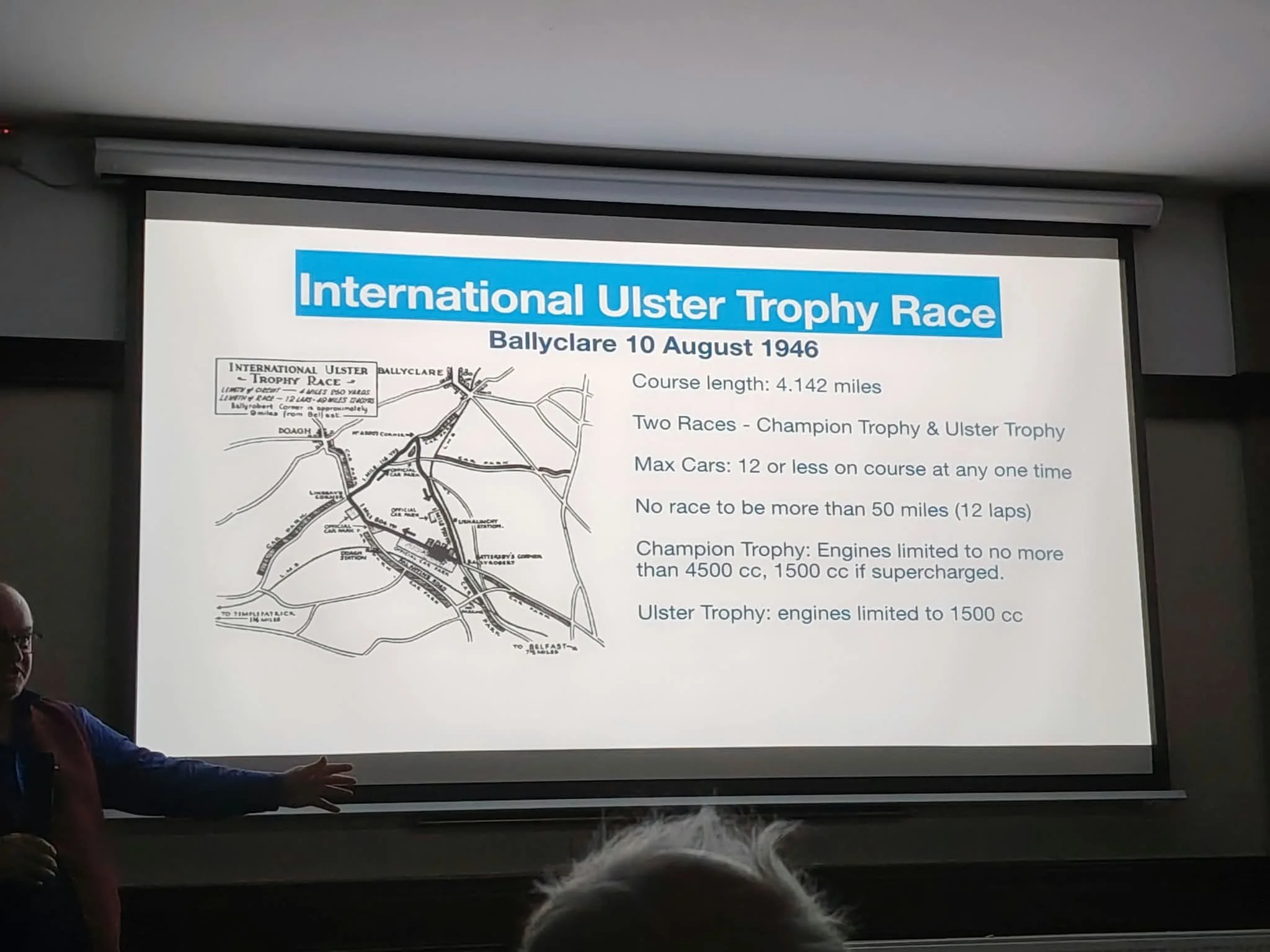
Course
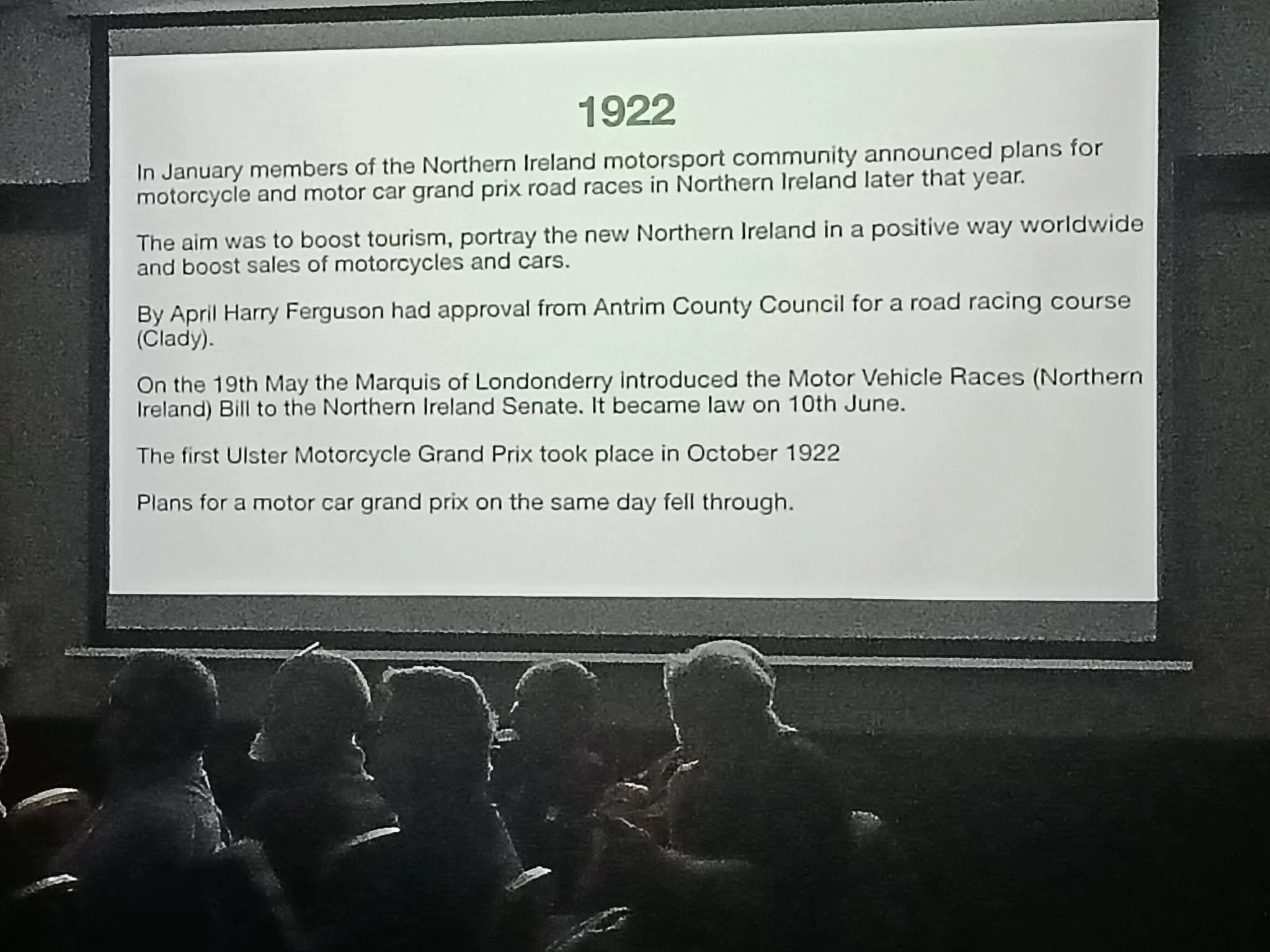
Can’t get any more influential than The Marquis of Londonderry and the man himself “Harry Ferguson.”
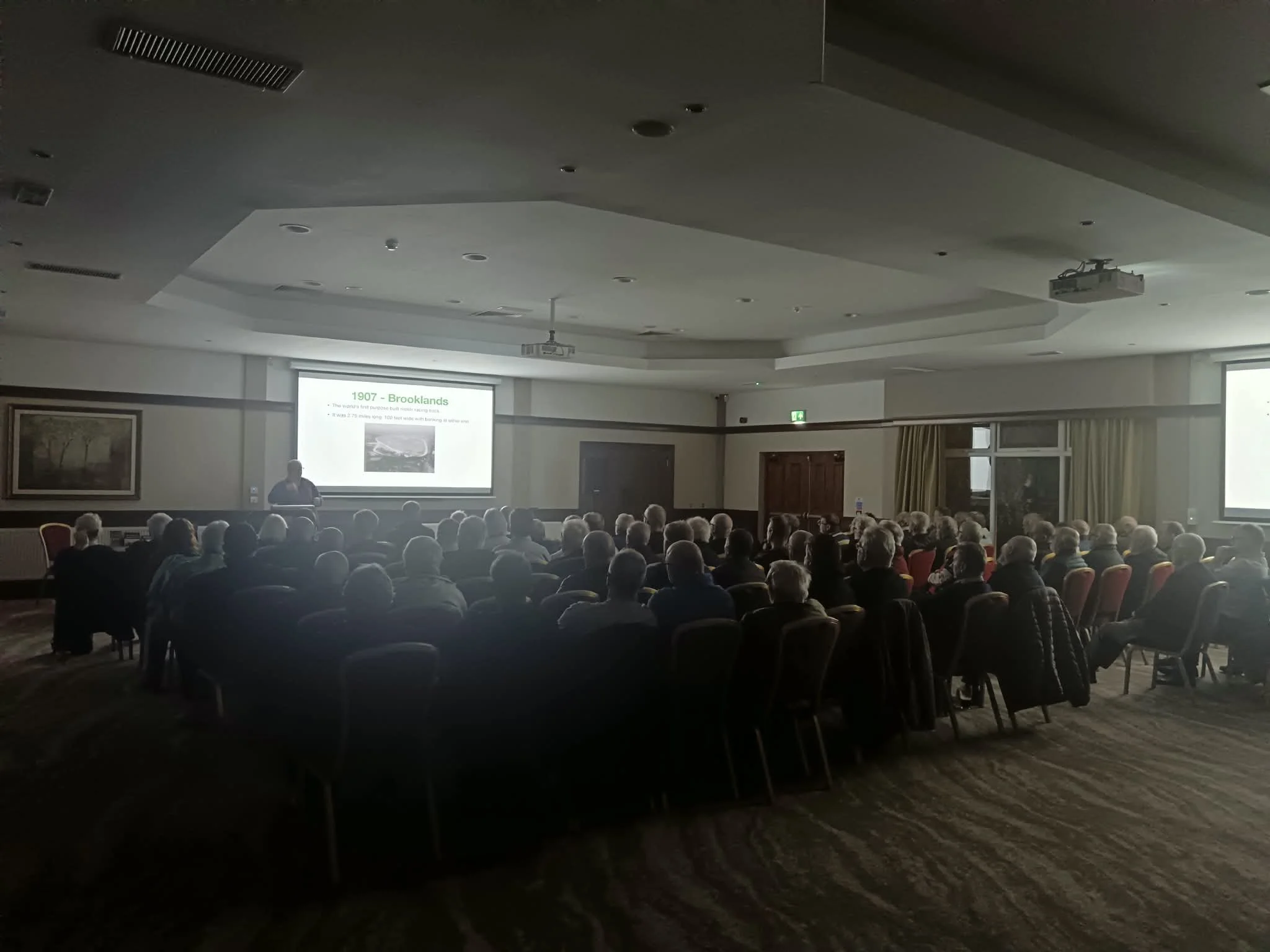
Best turnout that we have had for a long time.