
NI Transport Museum European Heritage Open Day 2026
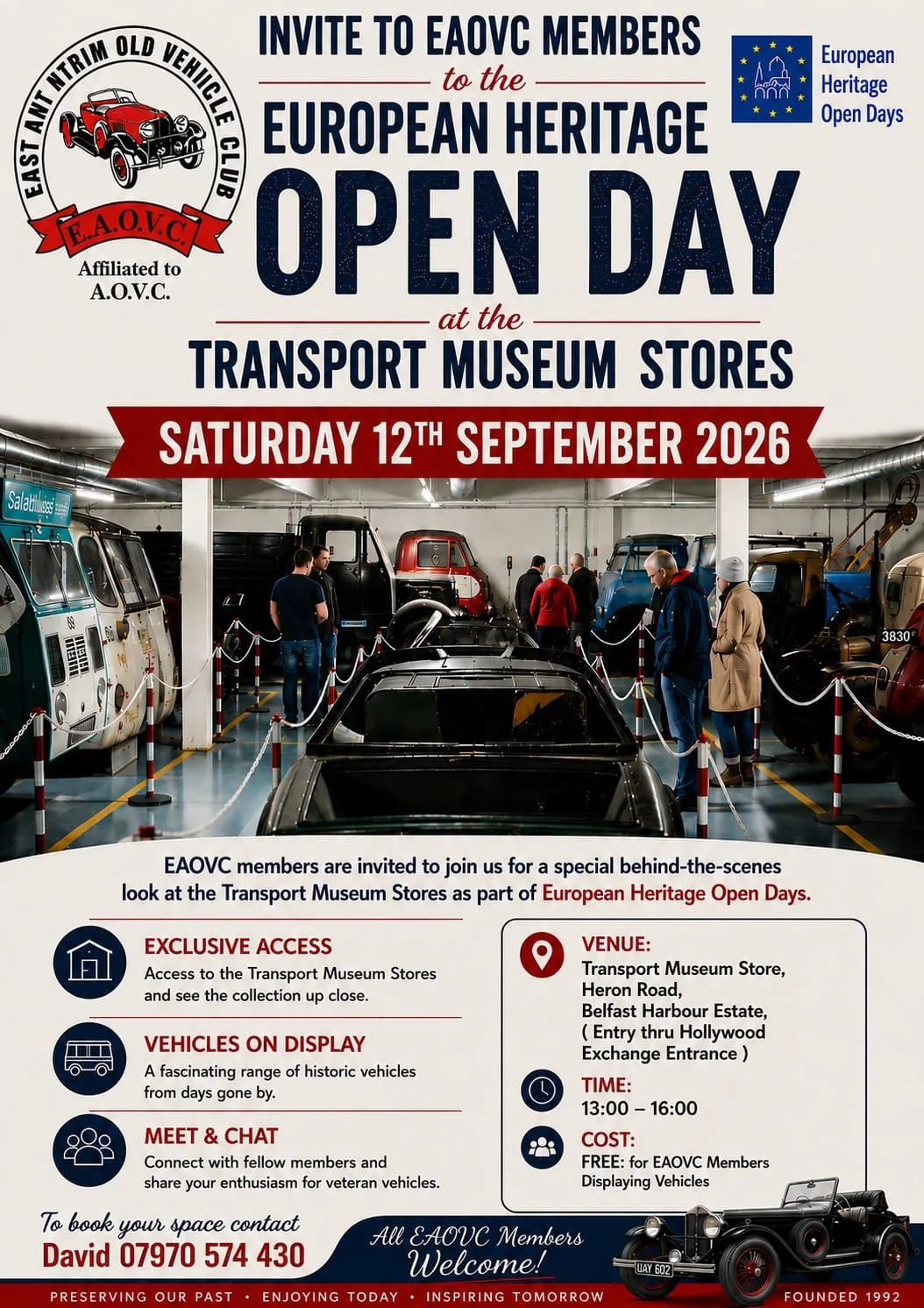
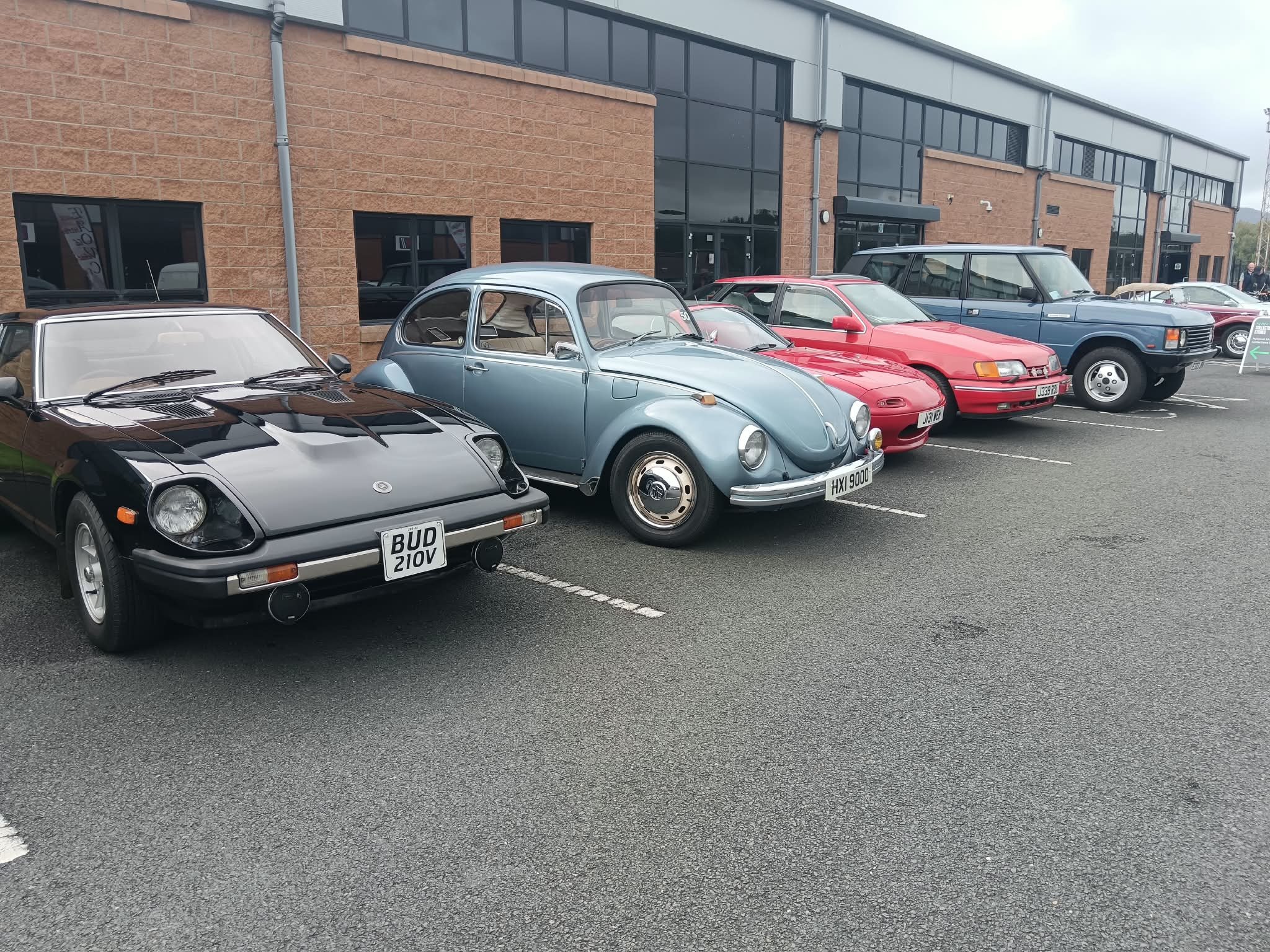
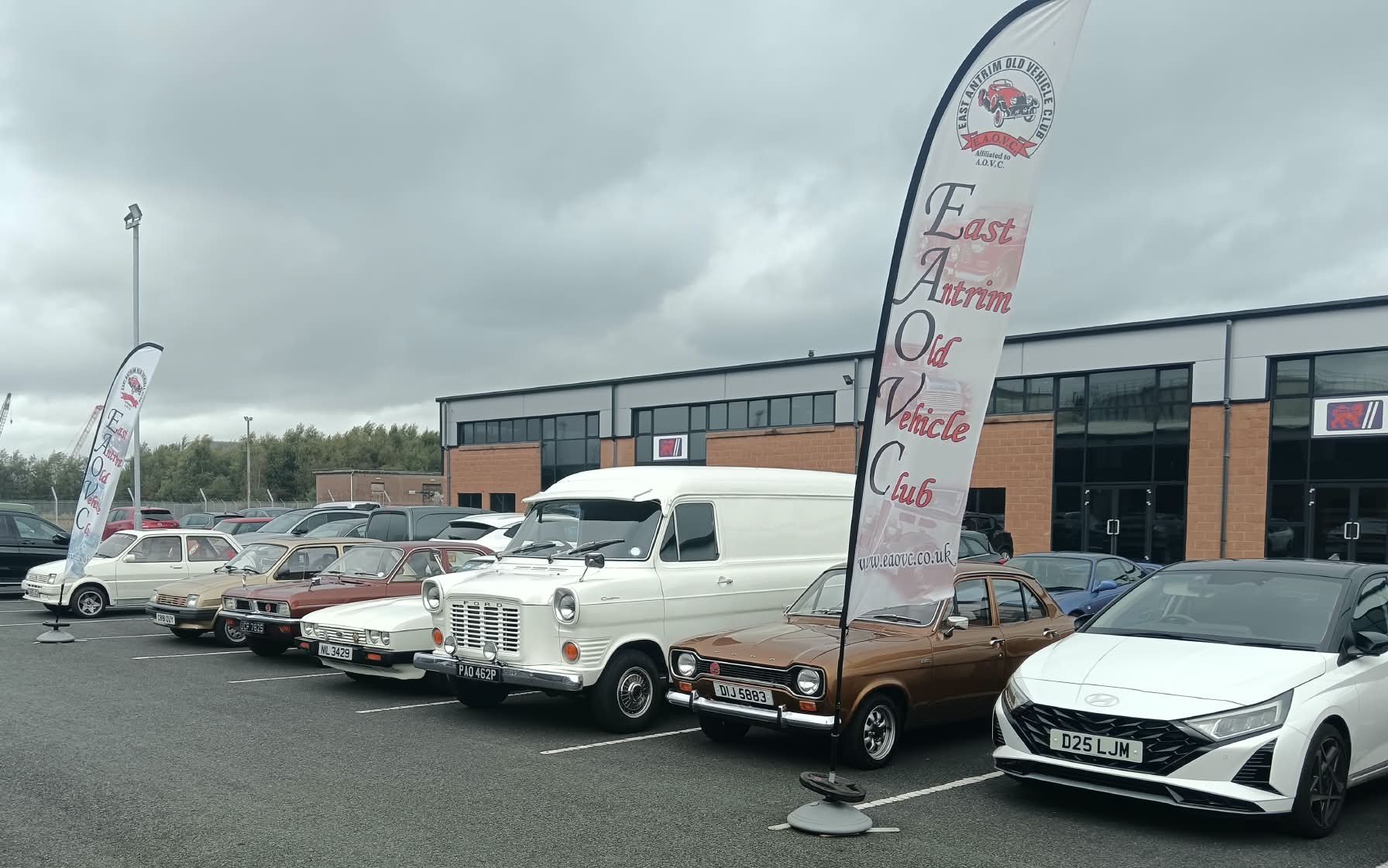
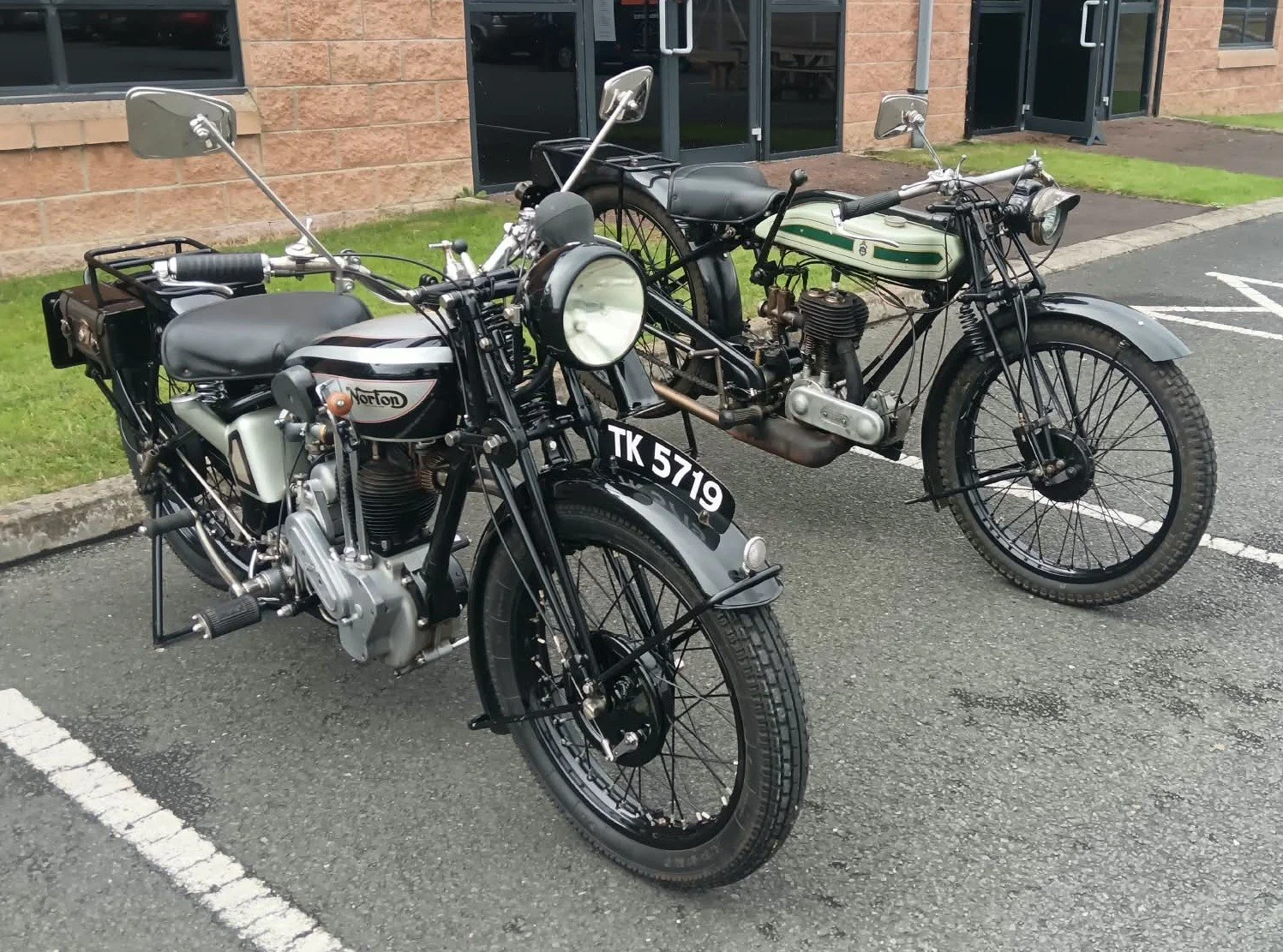
This is a new venture and a “try it and see what happens” trial. Paul McAuley (National Museums NI), a past member of EAOVC very kindly invited EAOVC to come along with some of our cars to the European Heritage Open Day at the Transport Museum Stores in Holywood. Paul and his colleagues are trying to create more of an event for the day and arranged for some extras exhibits inside the building. It was pleasing to see so many EAOVC members bring their cars and take part in the craic. David, our Vice Chairman (soon to be Chairman) and Paul have been communicating since March to make this happen so it was great that it was a success and hopefully we can attract more cars next year.
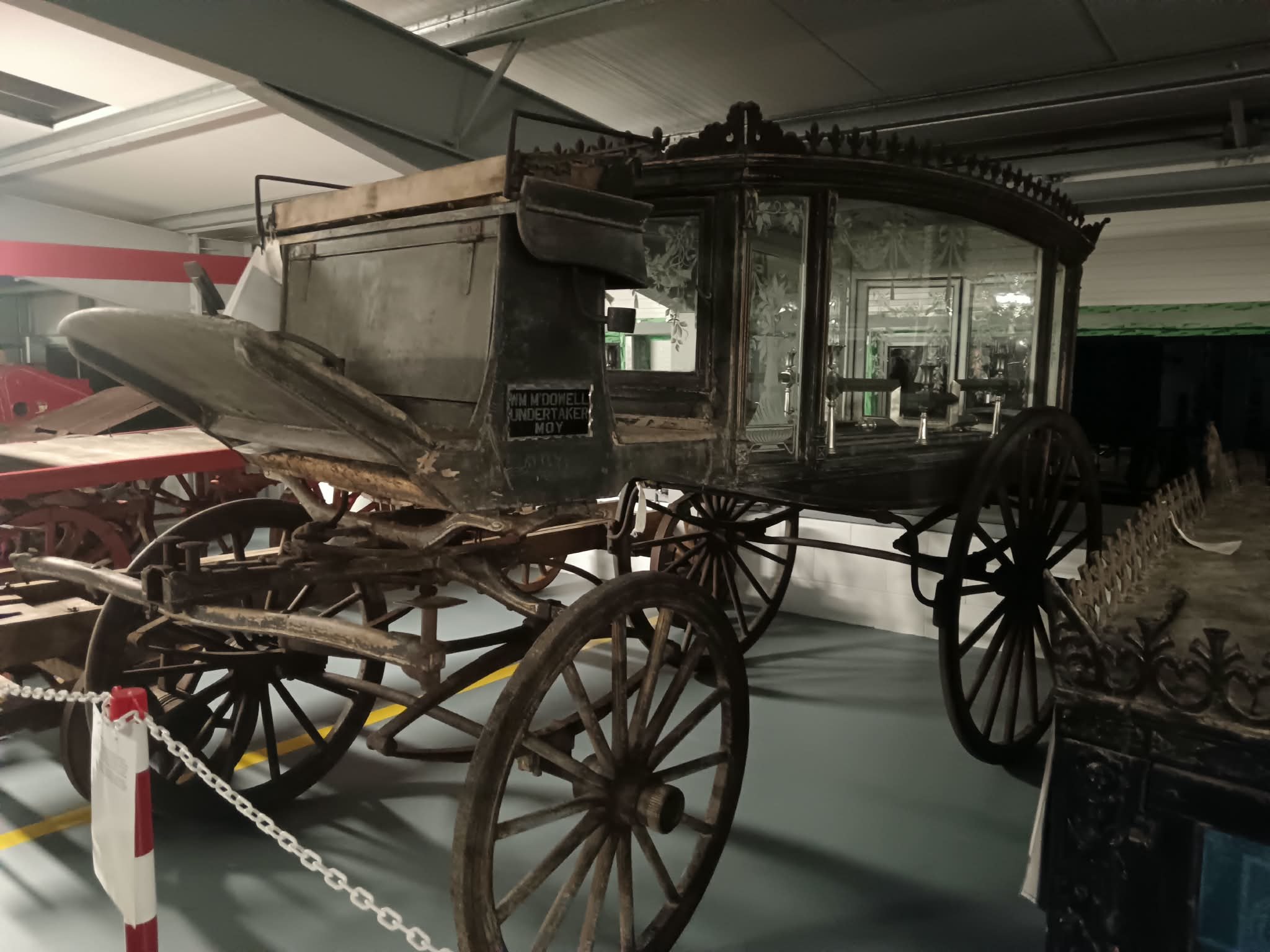
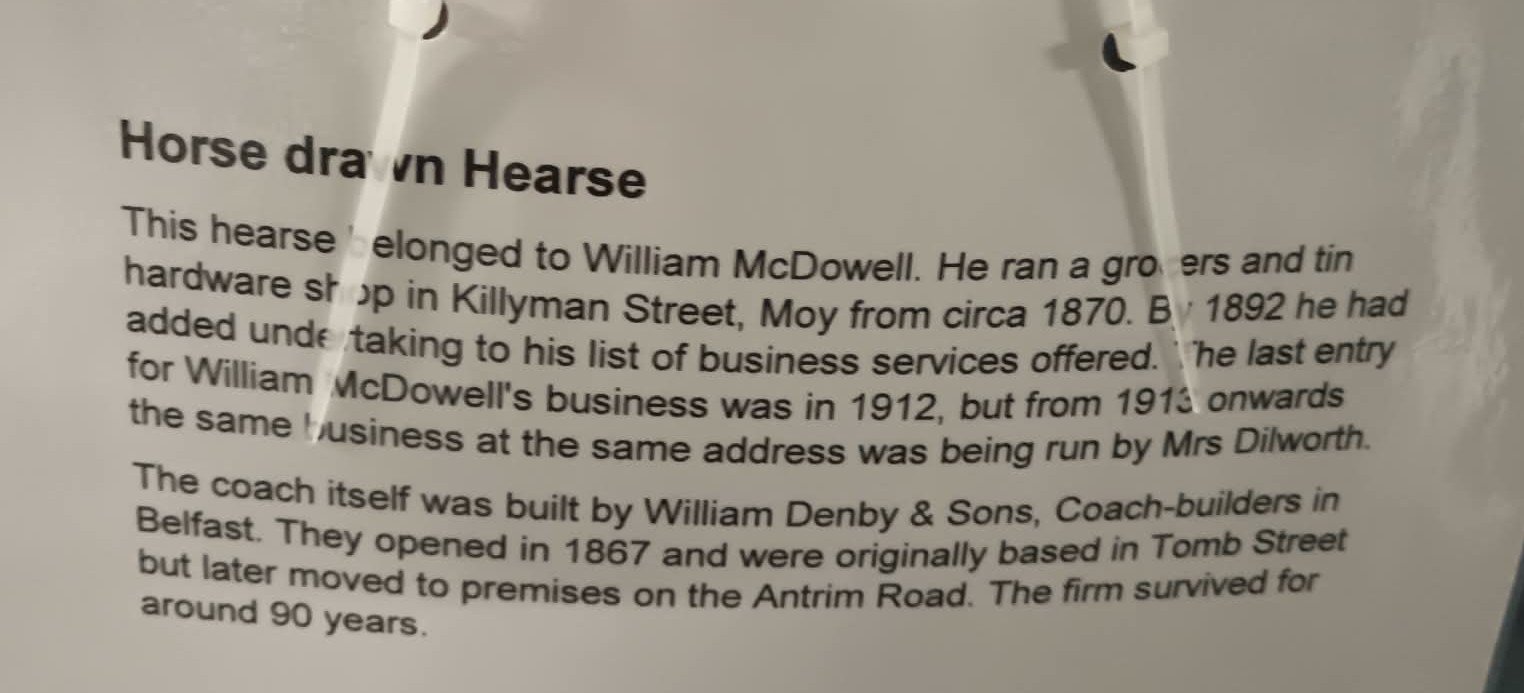
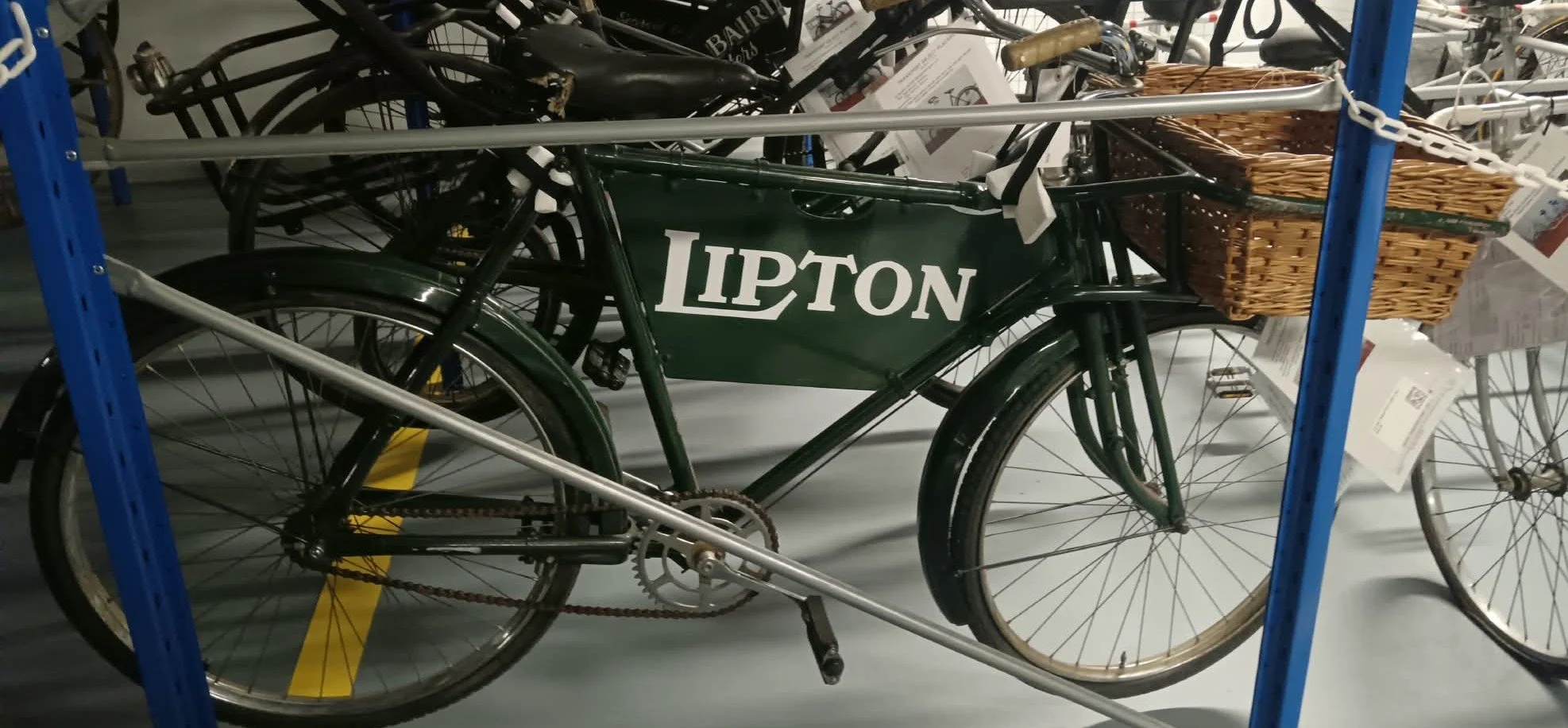
I wonder how many of our members remember seeing these around the streets a long time ago.
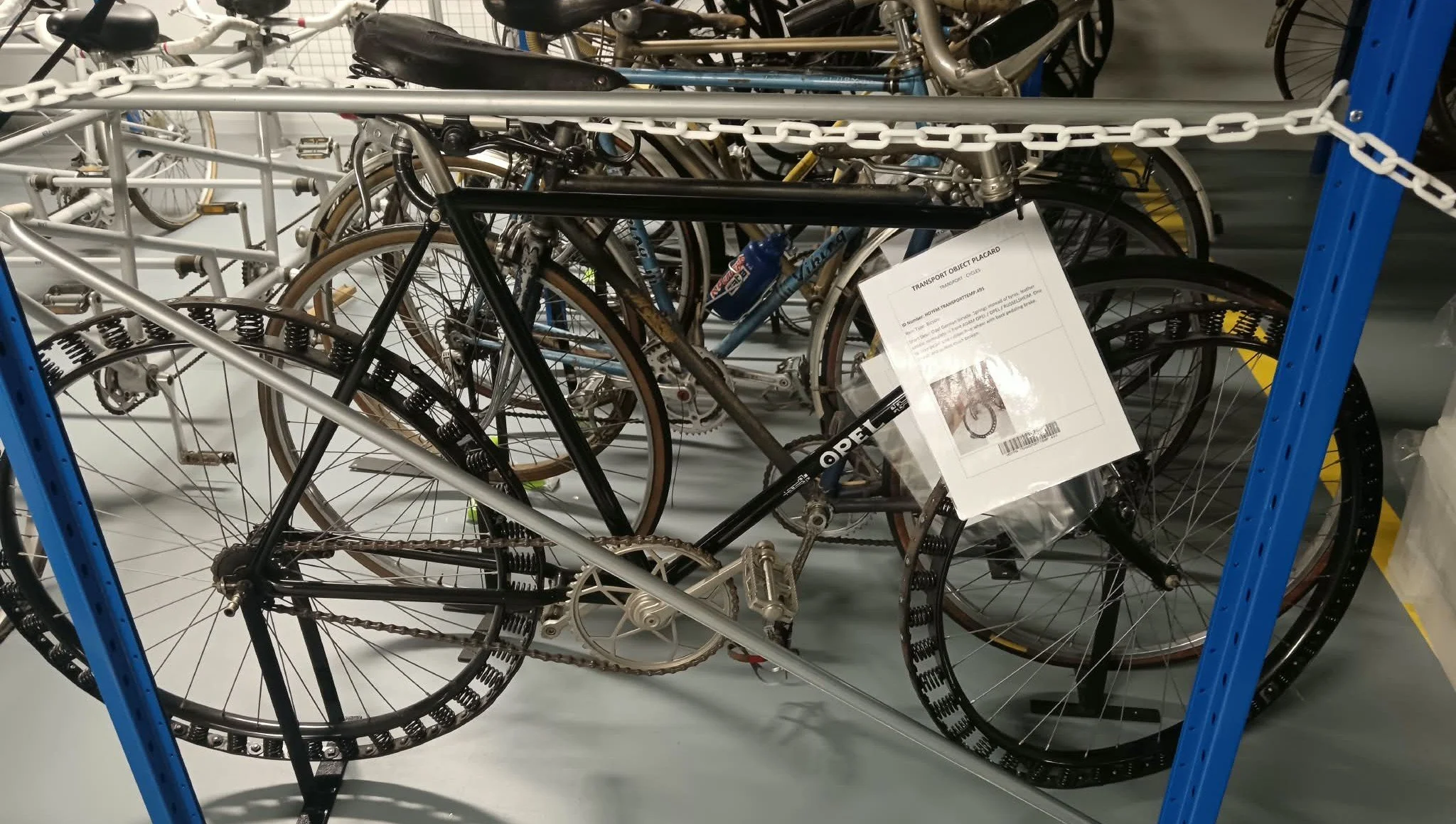
Never really caught on.
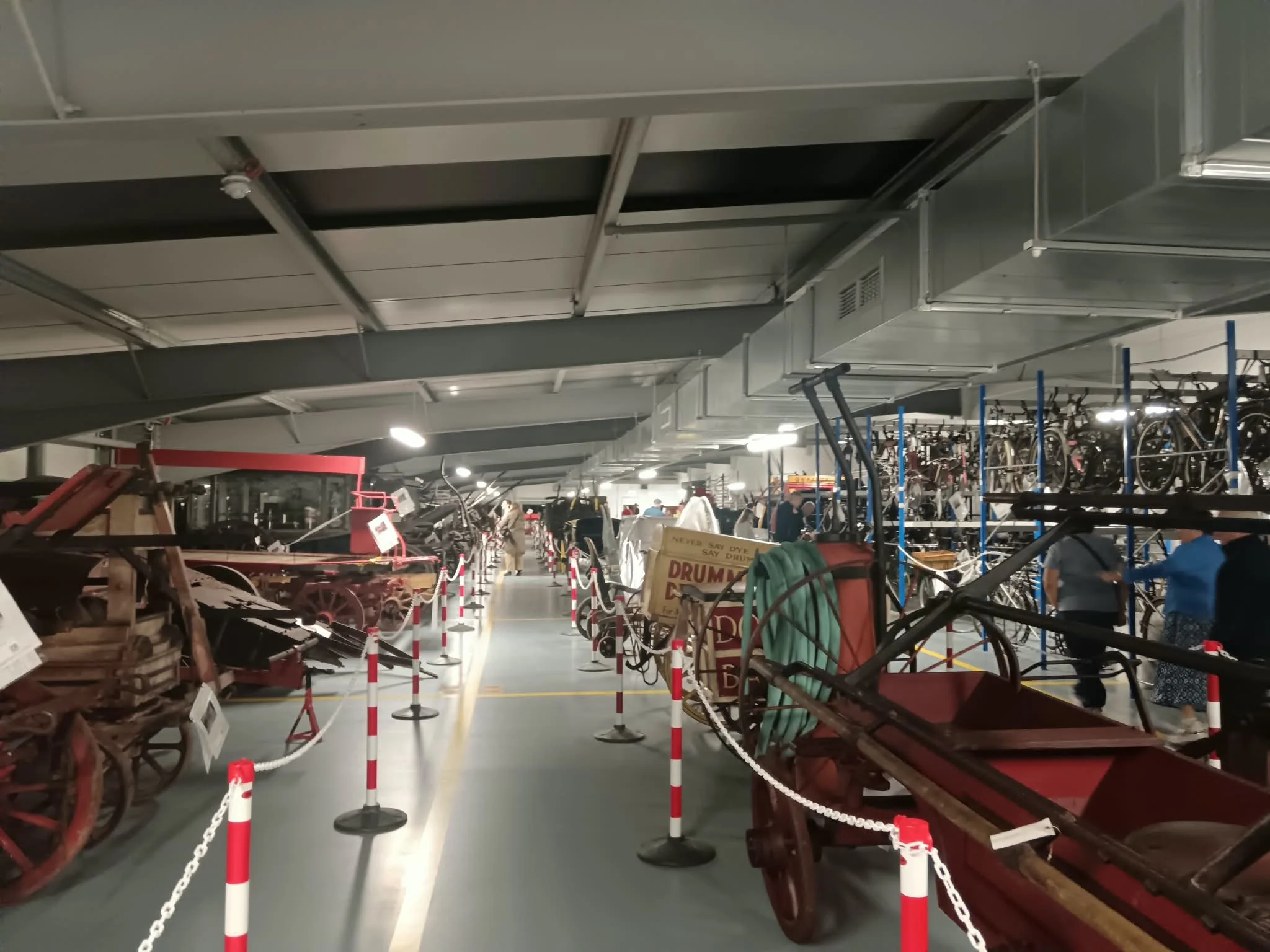
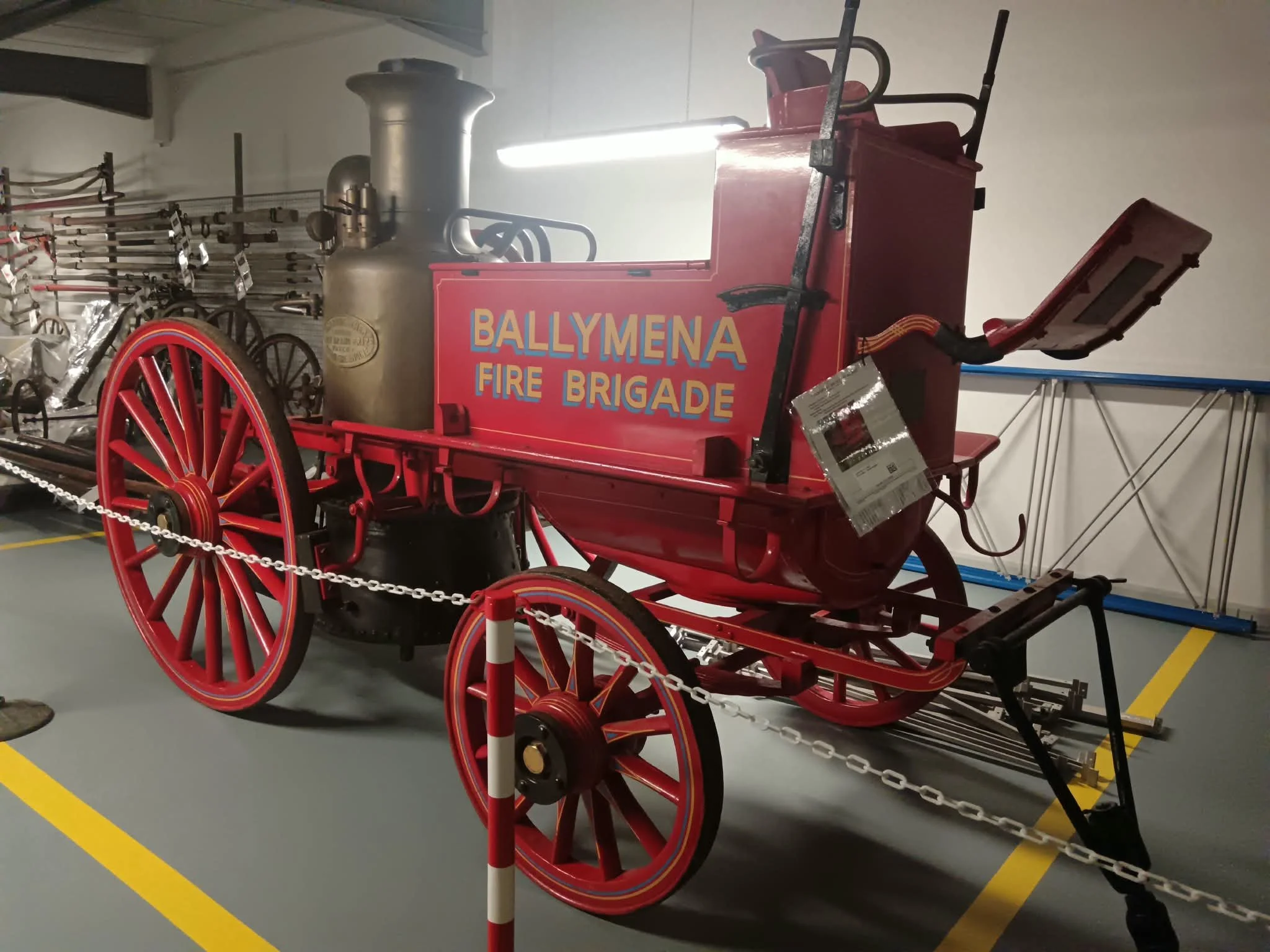
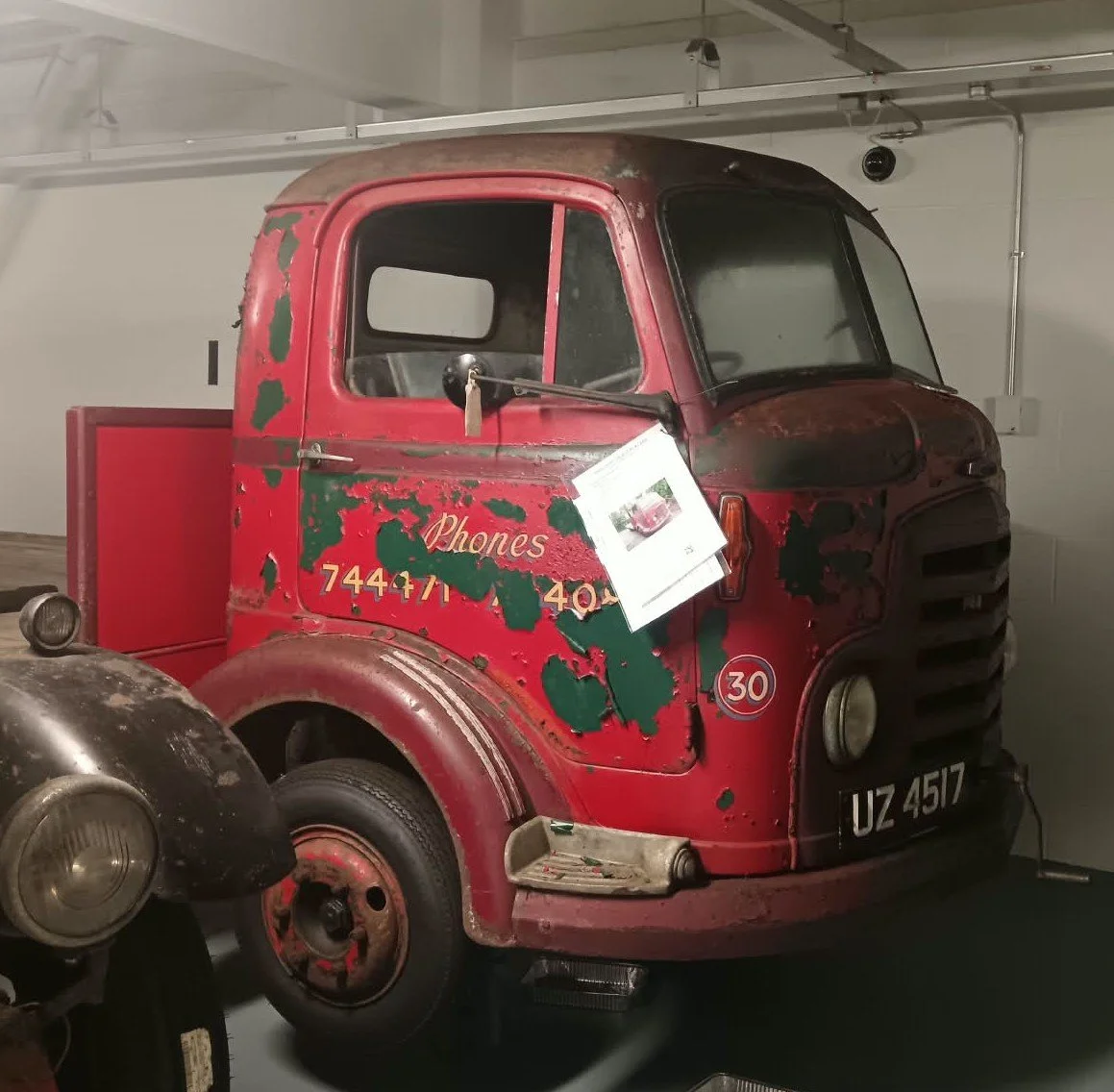
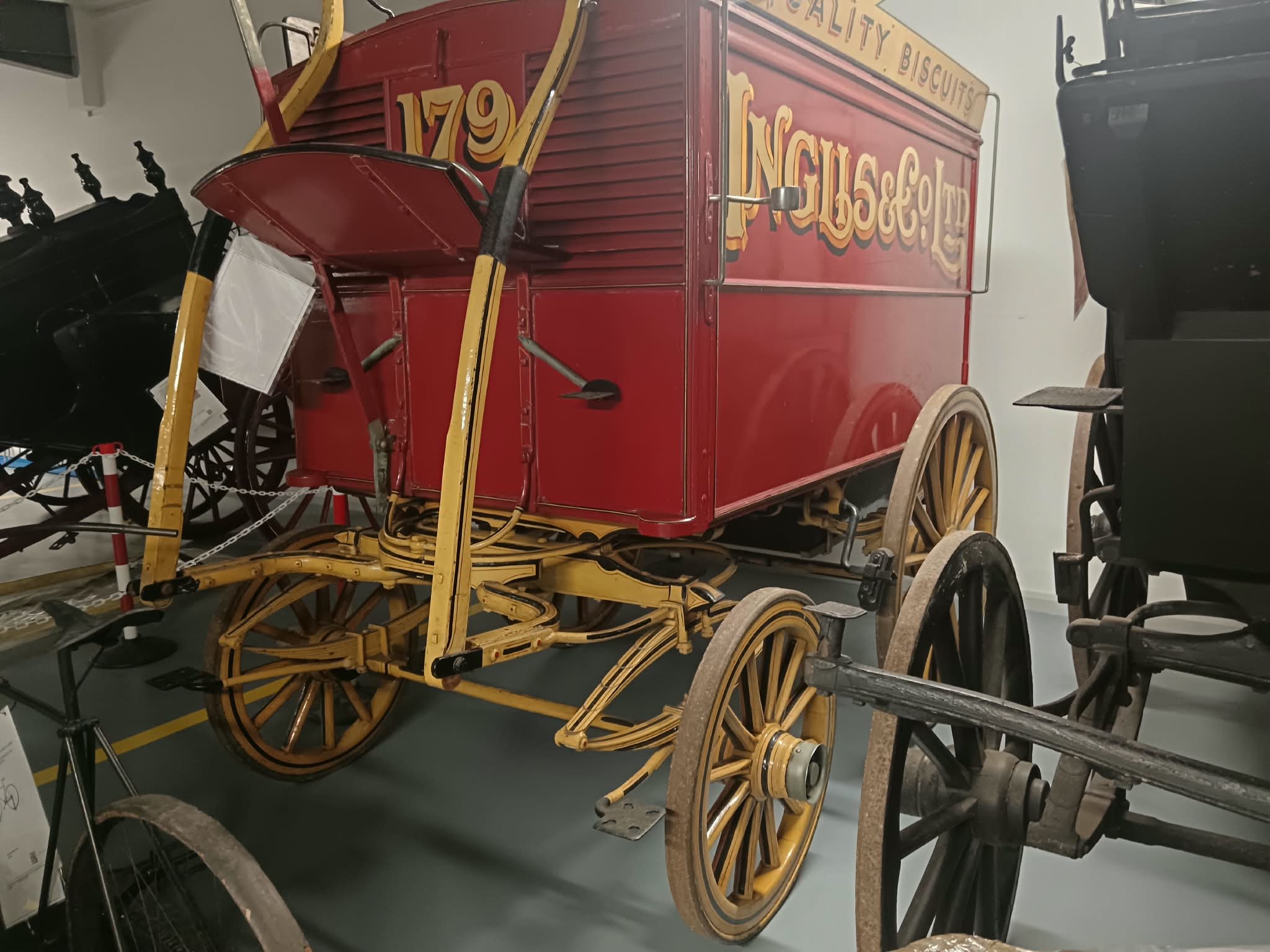
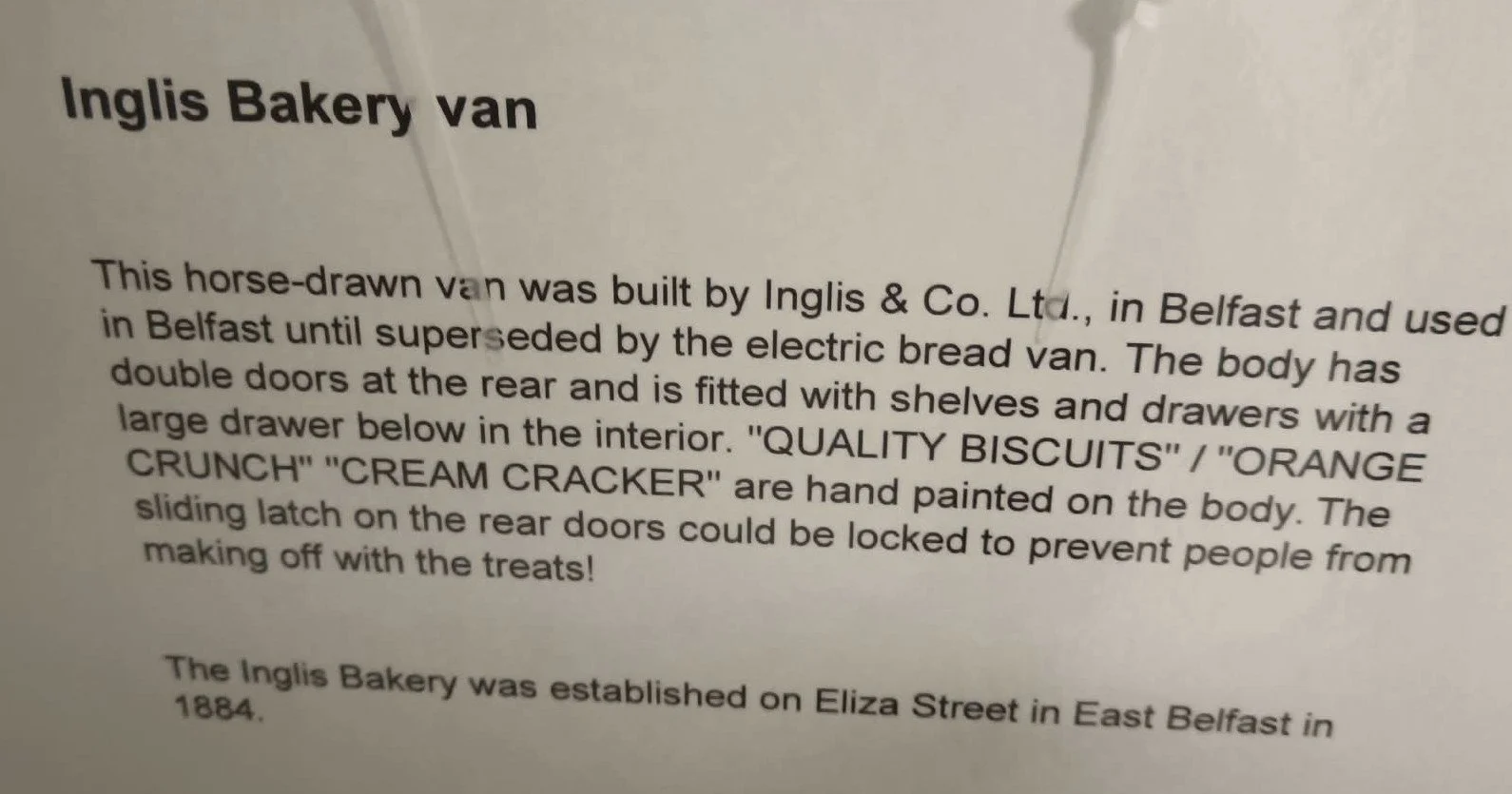
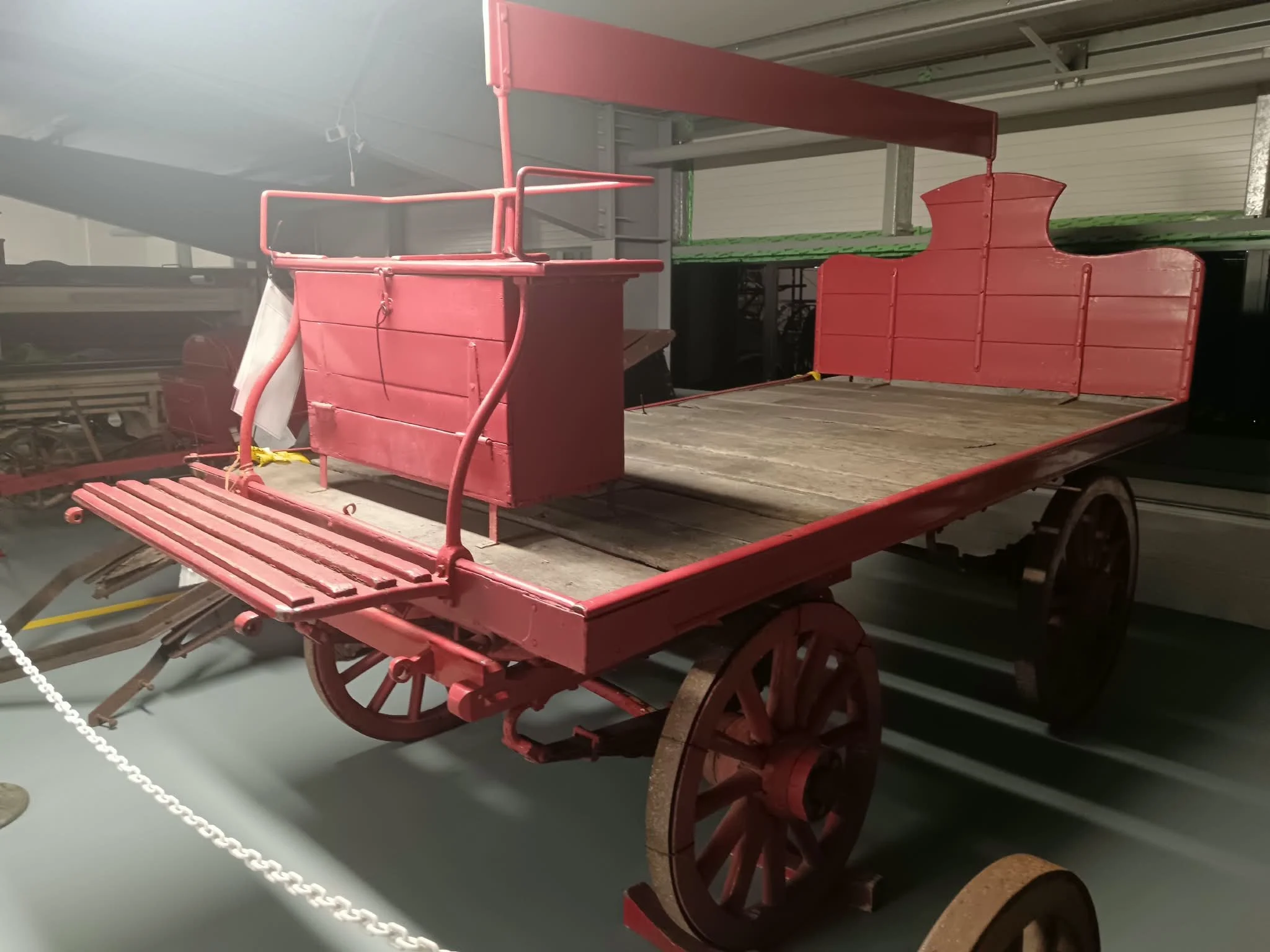
Remember seeing these, they were common on the streets of Belfast. Steptoe and son, those were the days!!!!!!
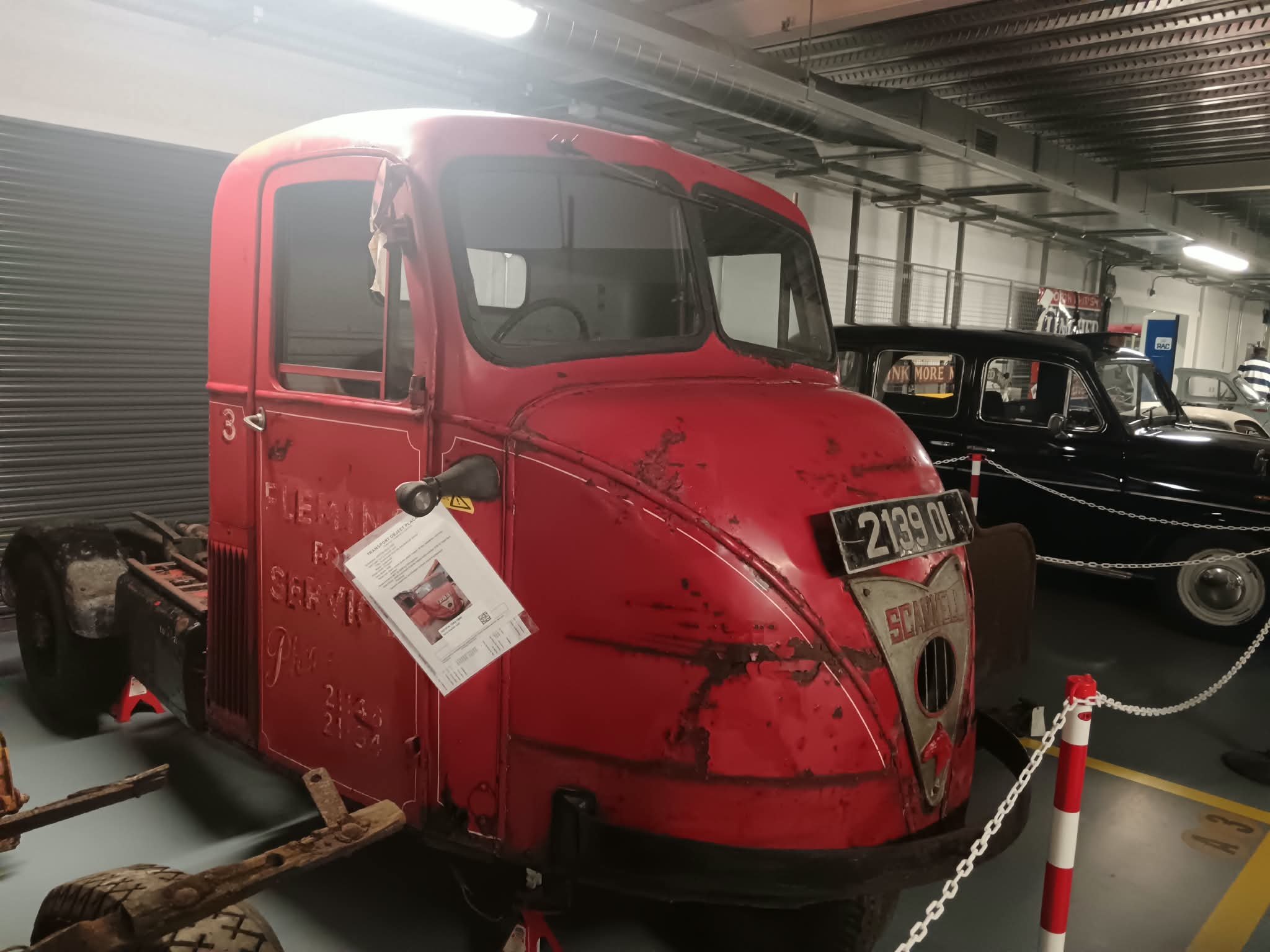
These little 3 wheelers took over from the horse and cart. Too upmarket for Steptoe and son!!!
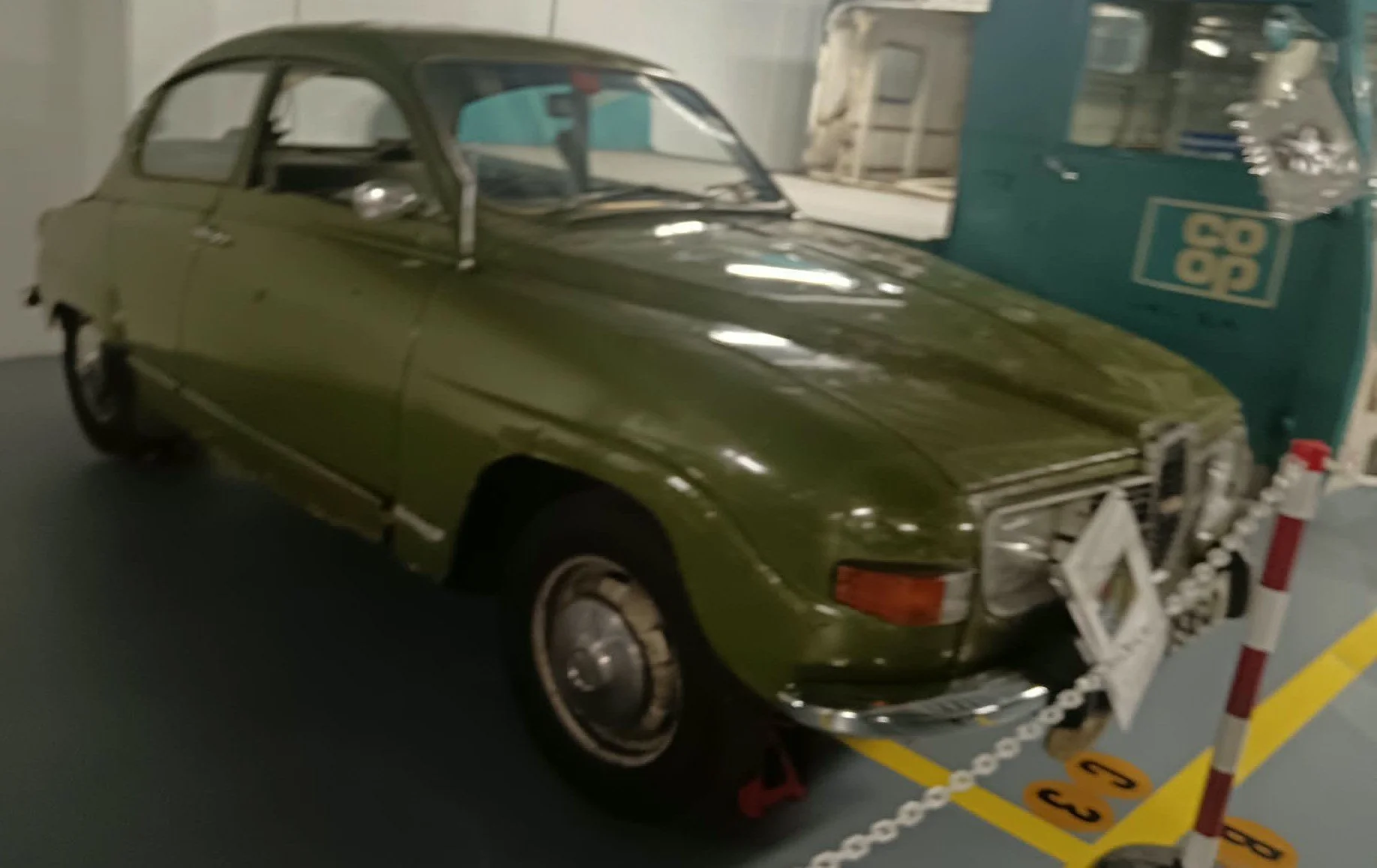
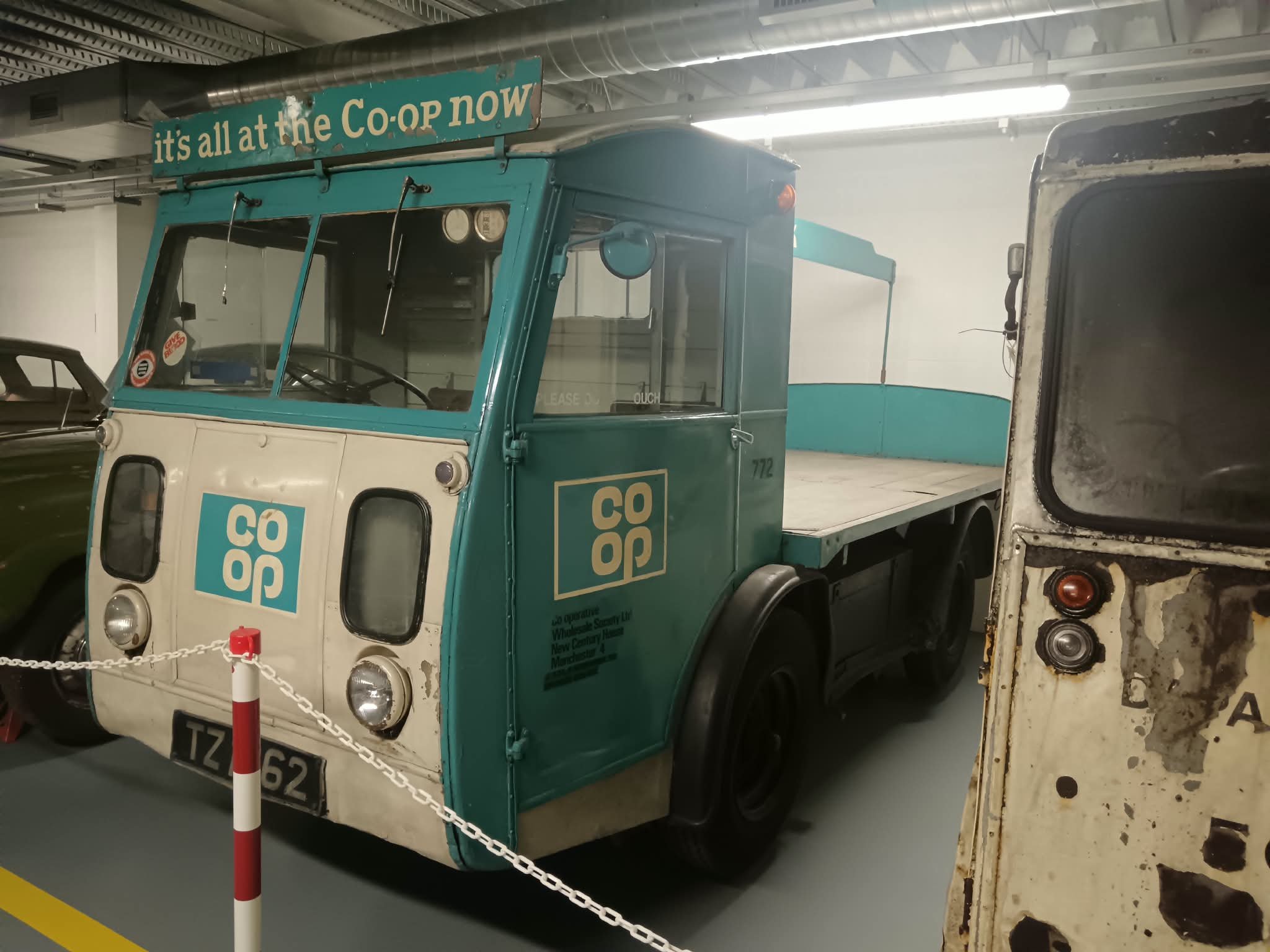
Ah!!! Elon Musk thinks he is smart, our Co-op had electric vehicles before he was born.
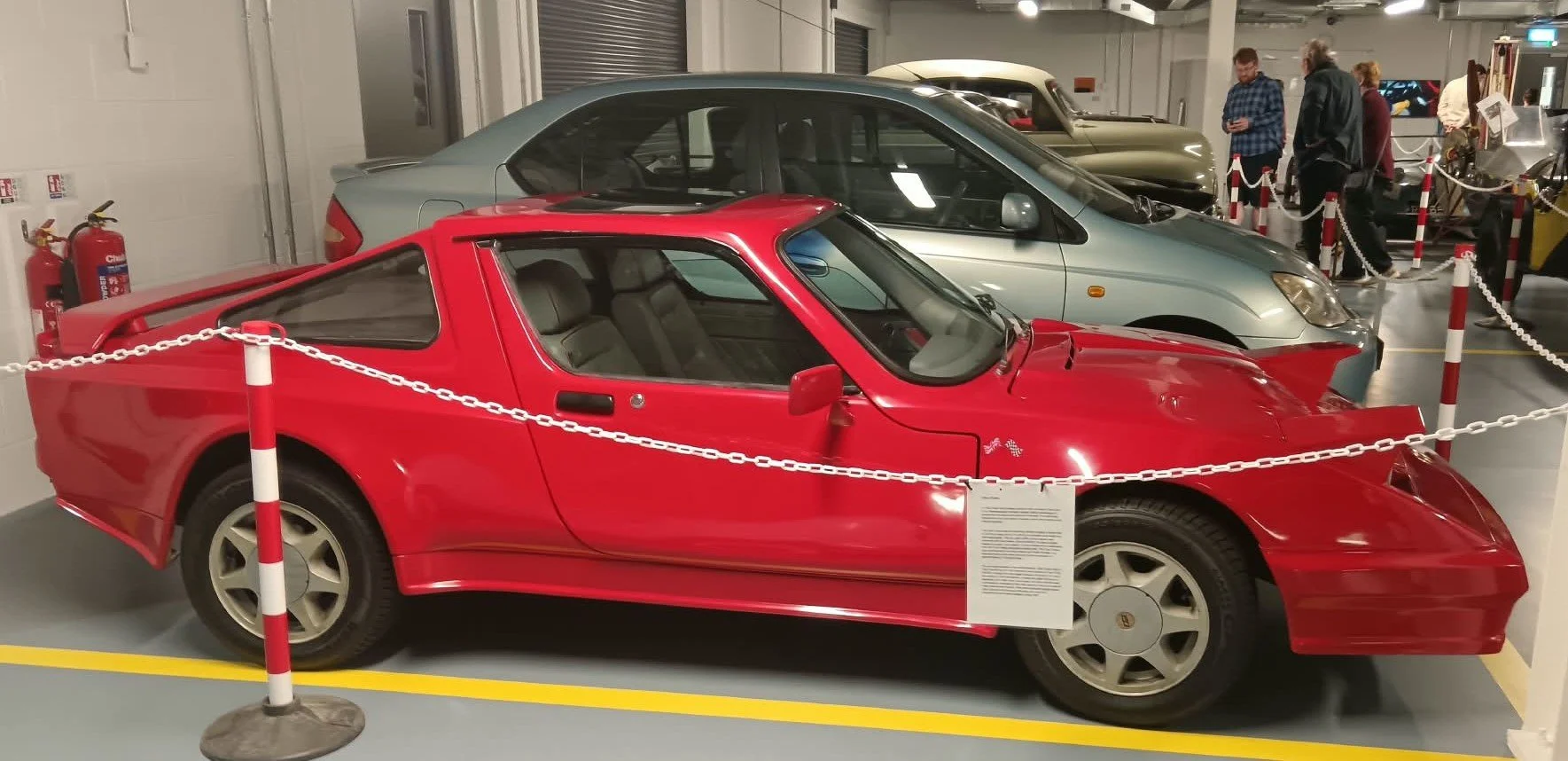
In 1982 Peter McCandless started a new company Clan Cars Ltd in Newtownards, Northern Ireland, taking advantage of government development grants for the area. He used body moulds from the English Clan Motor Company which had recently shut down production.
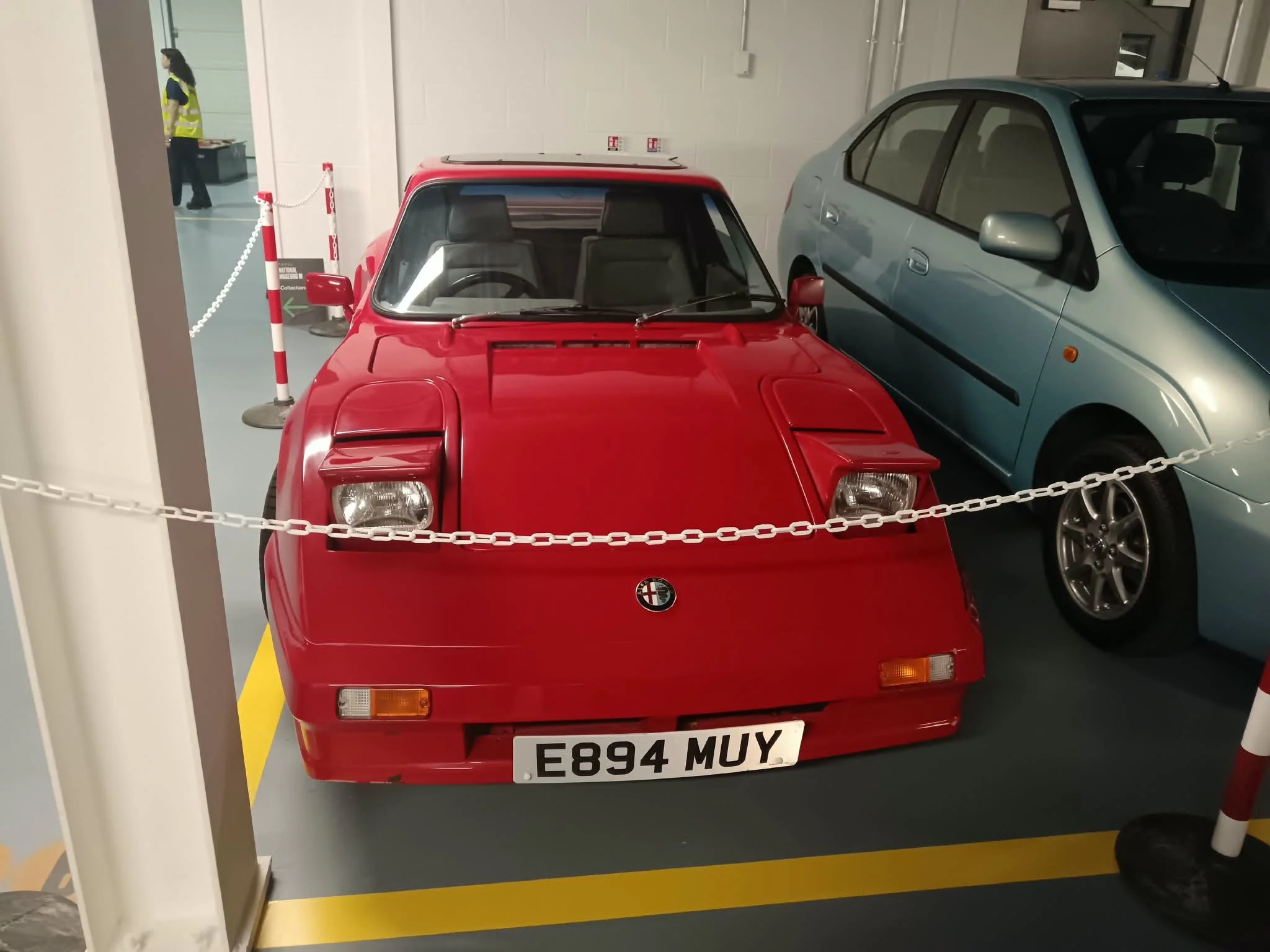
The Clan Clover was the resulting vehicle ranging in price from £1,200 for a basic kit to £10,000 for a complete road ready car with new engine. This car, with an Alfa Romeo engine, was improved with disc brakes (from the MGB). Its pop-up lights, heavier bumpers, spoiler, 13-inch wheels and a dashboard from the Ford Fiesta, produced a sportier look. It is believed that six kits were sold prior to the production of approximately 21 fully built cars.
The car was available in two specifications, Clan E and Clan S. The E has 68 hp (51 kW) while the more powerful S has 78 hp (58 kW), enough for a top speed of about 180 km/h (110 mph). According to Clan themselves, it would only take 30 hours to assemble a kit. After Clan Cars closed, the body moulds were purchased by members of the Clan Owner's Club to be used to make replacement panels. Clan Cars ran into financial difficulties and went into receivership and ceased trading in June 1987.
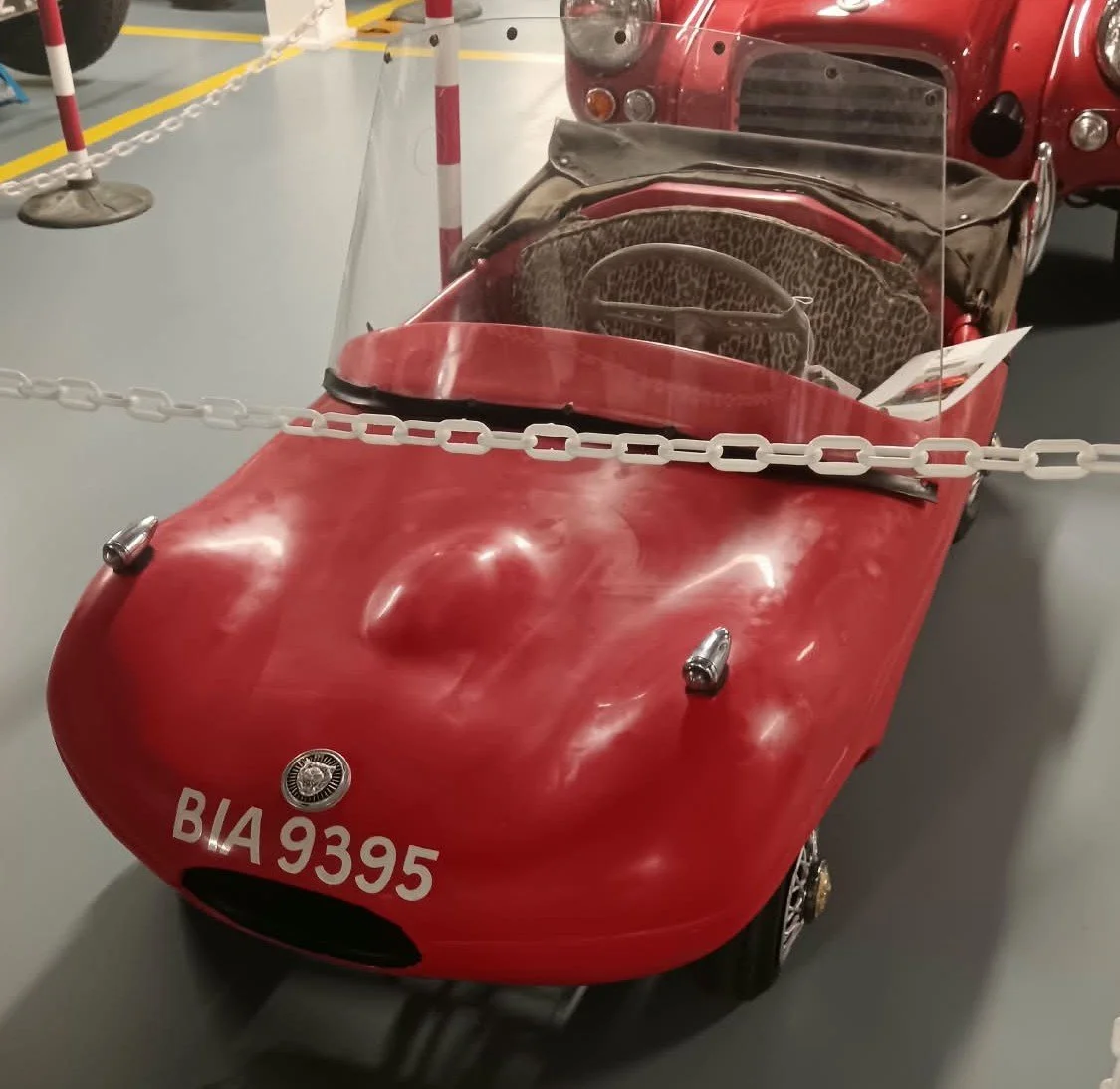
Height proved no barrier to the motoring ambitions of Davy Jones (1903 – 1970), who during his lifetime was recognised as the world’s smallest man, standing just 66 cm (2 feet 2 inches) tall. During the 1950s and 1960s, he became a familiar sight around the town of Lisburn, driving a series of specially commissioned miniature cars.
While there was a succession of cars, owned by Davy not much is known about their manufacturer or technical details and only a few photographs survive of Davy motoring around the streets of Lisburn.
Davy’s best-known car is his 1965 Jaguar-badged Cheetah-Cub that now forms part of the collection at the Ulster Transport Museum. Although not currently on public display, Davy’s car is unusual not just because of its diminutive size, but also because of the collaboration between the Jaguar car company and Birmingham motorcycle sidecars manufacturer Watsonian in its construction.
In the 1960s Watsonian, produced a small range of children’s cars called the Cheetah-Cub. Two models were offered: one with bodywork inspired by the Jaguar D-Type, and the other, like the one owned by Davy Jones, modelled after the Lotus Elan. Both shared the same chassis and mechanical components, including a fibreglass body and a rear-mounted 75cc four-stroke engine. Davy’s Cheetah-Cub measured 121.9 cm in length, reached a top speed of 22.5 km/h and was custom-built for him in 1965 at a cost of £125 with a full-size Jaguar car at that time costing £1850. Even though the car was custom built for Davy, after his initial test-drive as seen on the BBC report of the time, he discovered a few limitations and further modifications were required to bring the foot pedals closer, lengthen the handbrake lever and shorten the cord on the pull-up start.
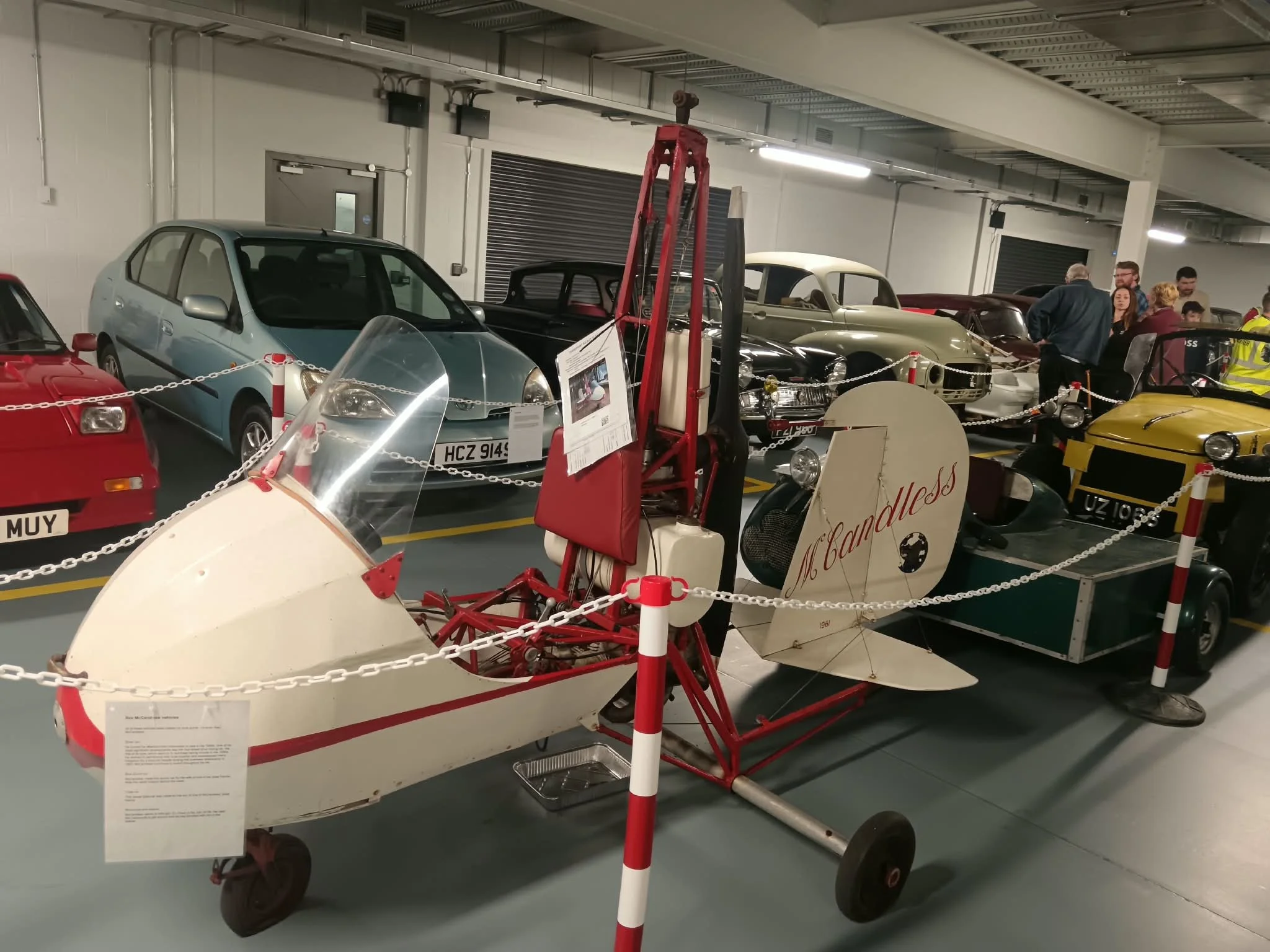
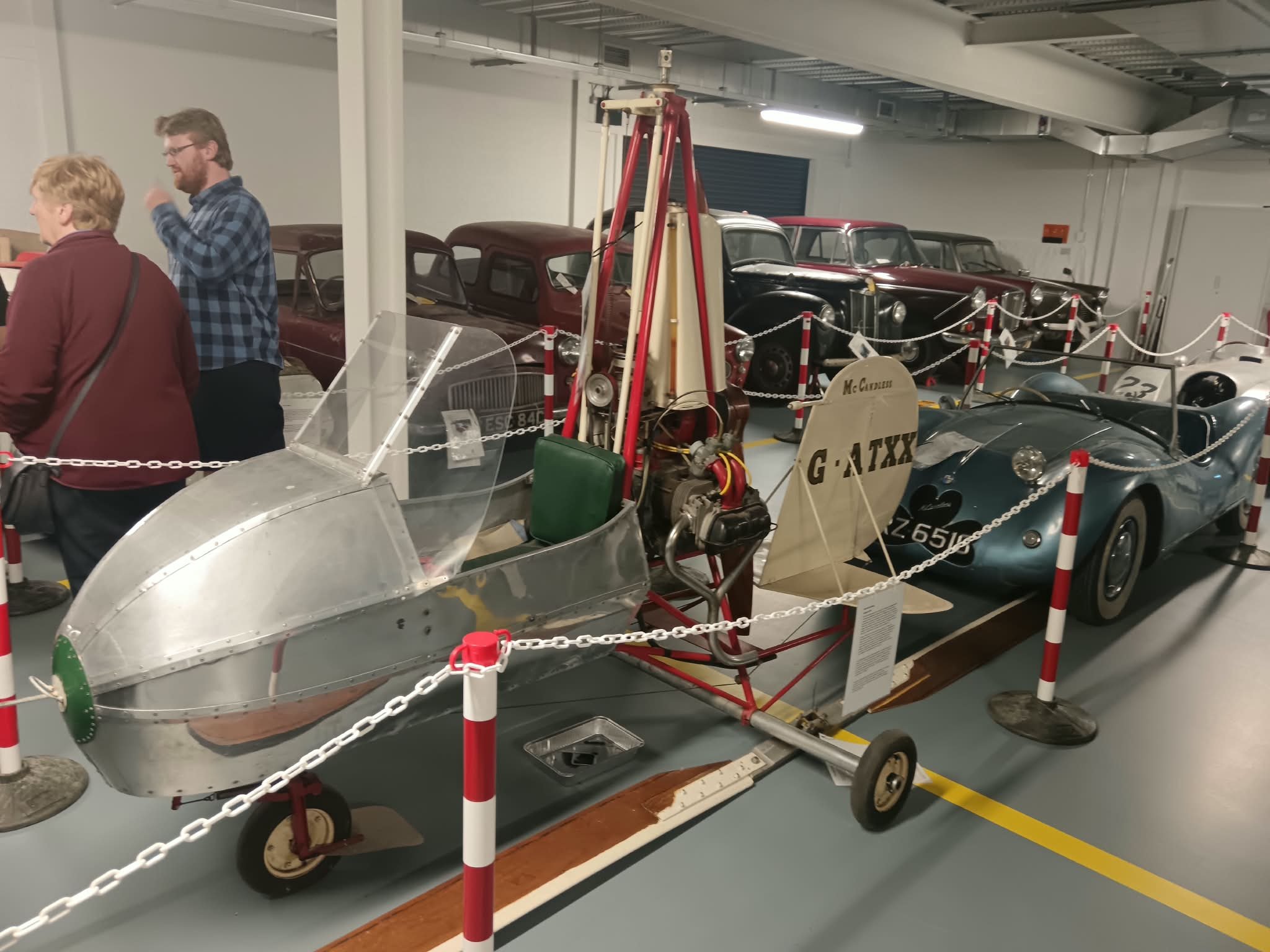
I have fond memories of sitting in the car watching the legendary Northern Irish inventor and motorcycle designer Rex McCandless testing his early aviation prototypes, commonly referred to as his autogyros or gyroplanes (and often colloquially called "flying machines" or microlights), around Divis and the Black Mountain.
The Inventor: Best known for inventing the revolutionary "Featherbed Frame" for Norton motorcycles in 1949 and the telescopic fork suspension system, McCandless shifted his brilliant engineering focus toward affordable aviation later in life.
The "Microlite" Prototype: His experimental aircraft was the McCandless M-4 Gyroplane. It wasn't a standard fixed-wing microlight but a lightweight single-seat autogyro designed with an open cockpit and a motorcycle/car engine. Its air-driven top rotors acted as wings.
Living and working right on the doorstep of the Belfast Hills McCandless utilized the open, rugged landscapes of Divis and the Black Mountain to test his aircraft. His aim was to build a vehicle that could land safely in extreme weather, handle short take-offs (only 60 yards), and retail for an affordable £1,000. Local folk recall him displaying his flying maps and operating his experimental machines over the hills of Antrim.